By Safe Investment March 21, 2026
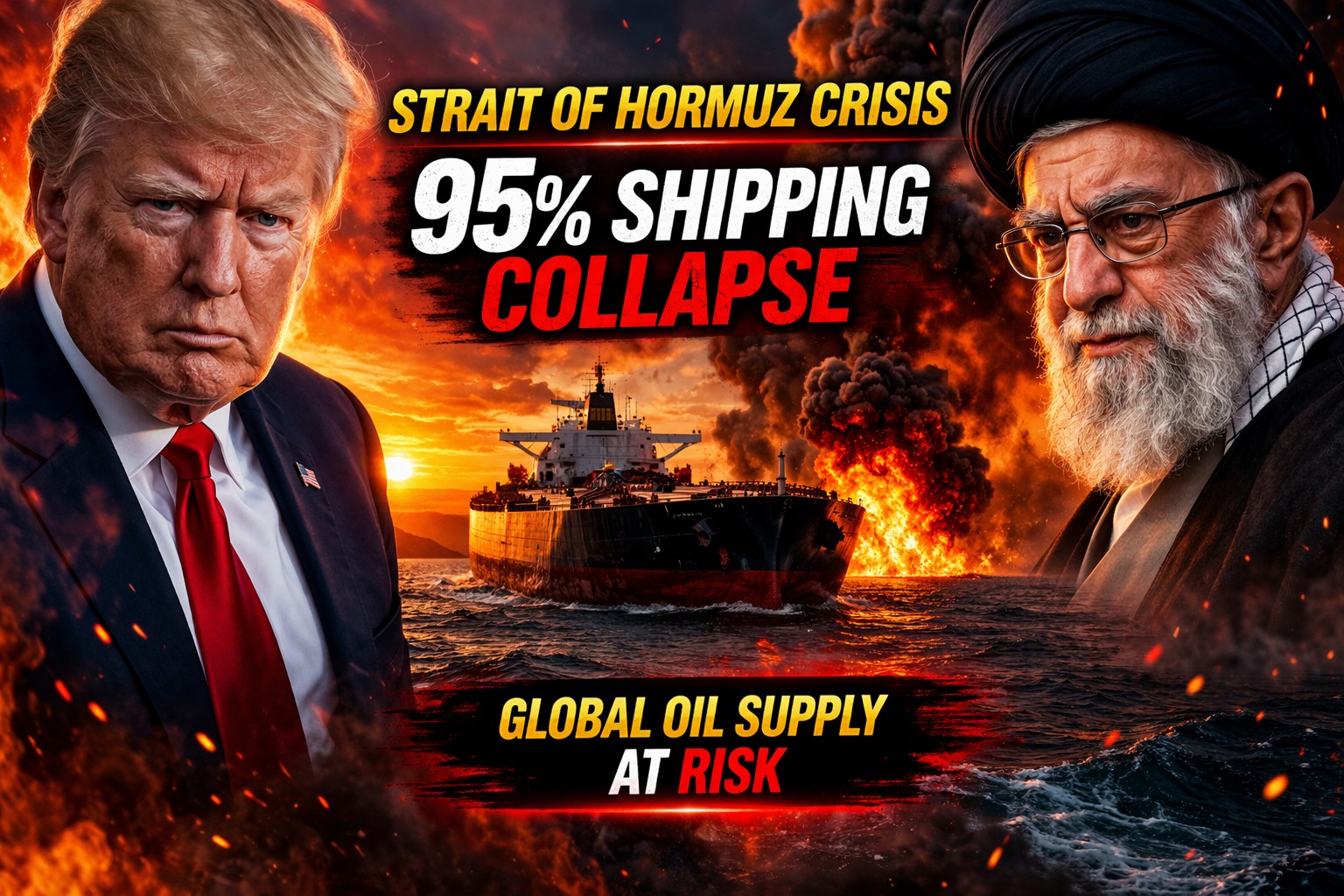
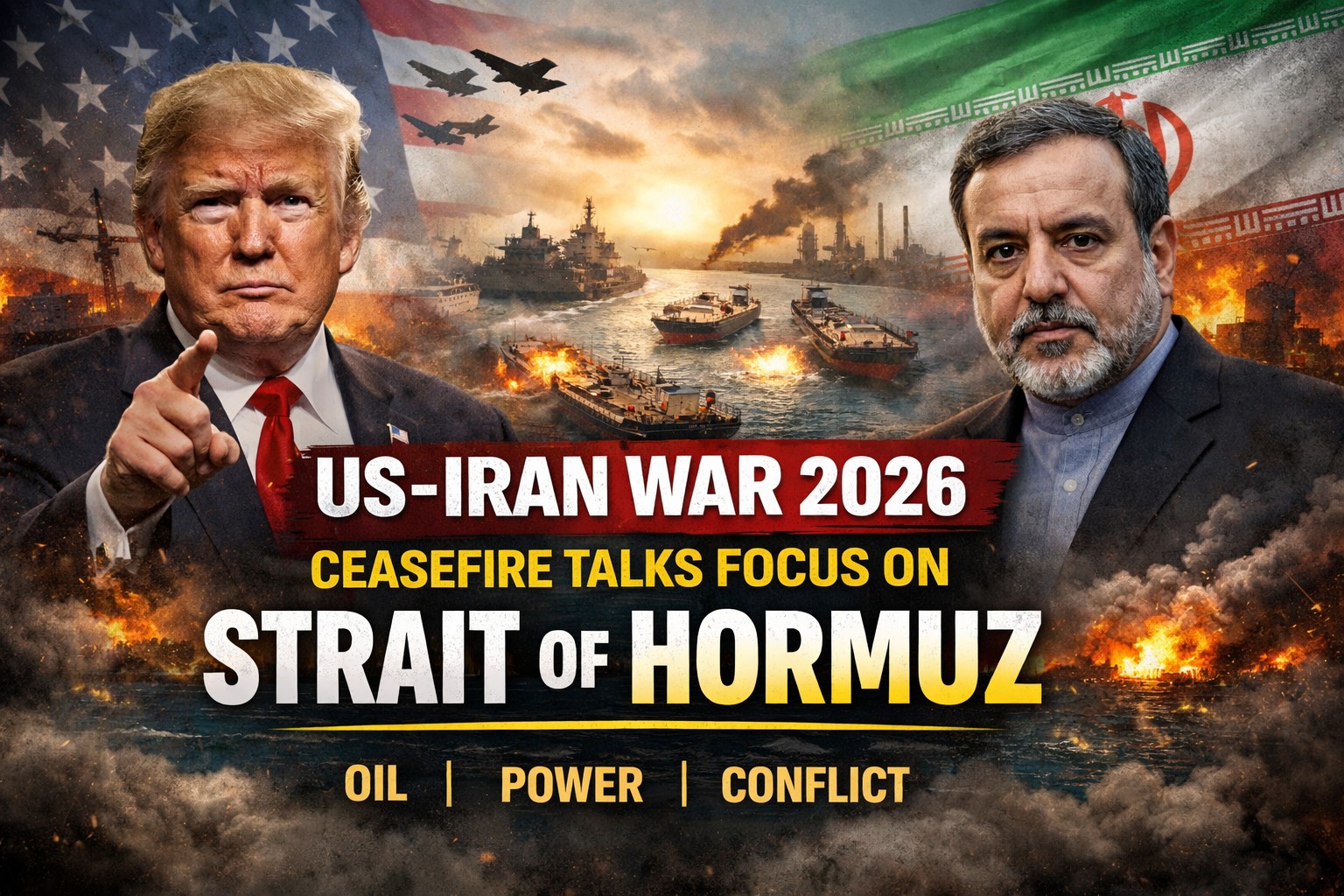
Only 5% ships are moving through the Strait of Hormuz, and this crisis could soon impact oil prices, inflation, and your daily expenses.
A major disruption is unfolding in one of the world’s most critical trade routes—and its impact could soon reach every household.
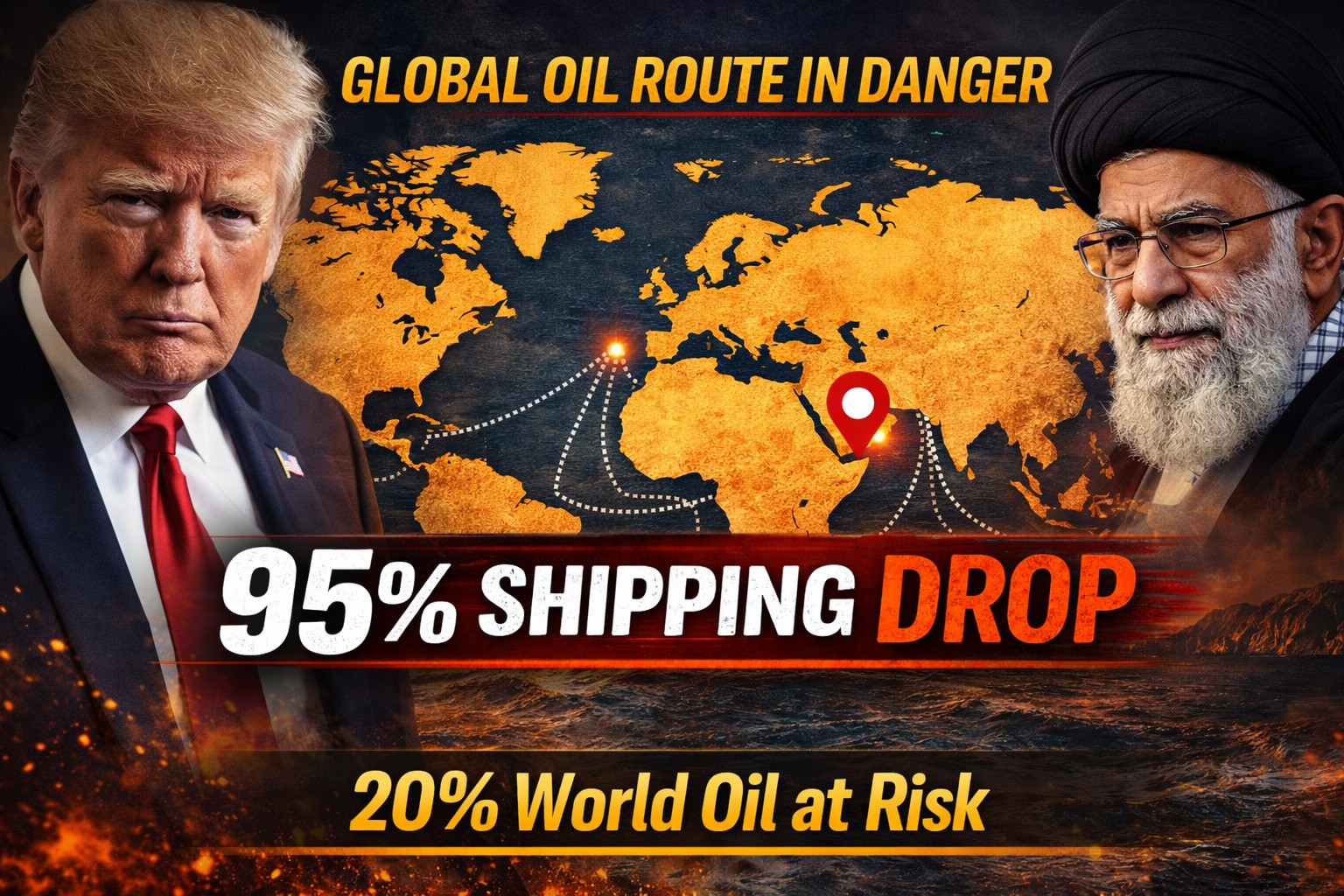
Shipping through the Strait of Hormuz has dropped by nearly 95%, falling from around 138 ships per day to just 5–6 ships daily. This dramatic decline is not just a maritime issue; it is a global economic signal that energy supply chains are under serious stress.
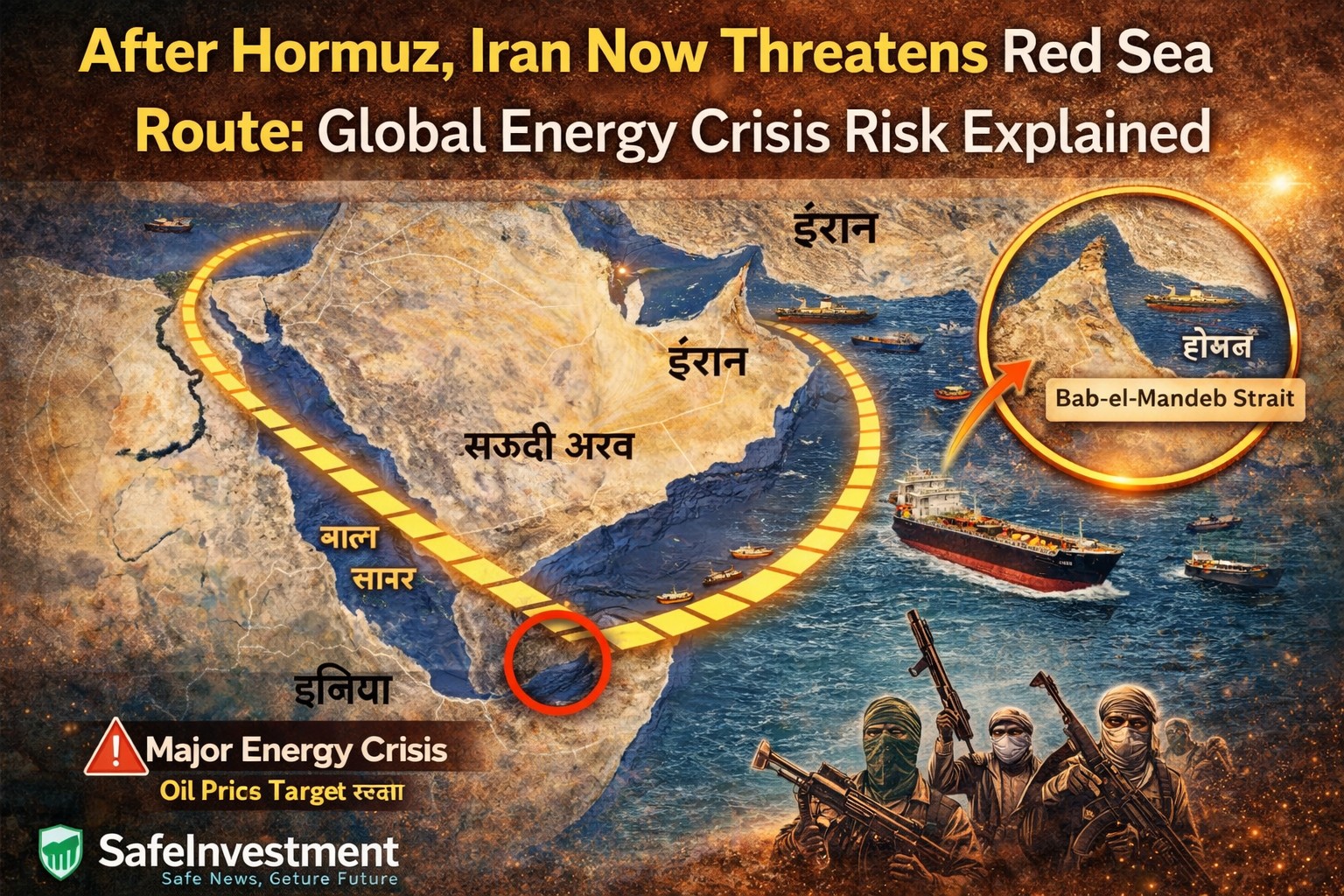
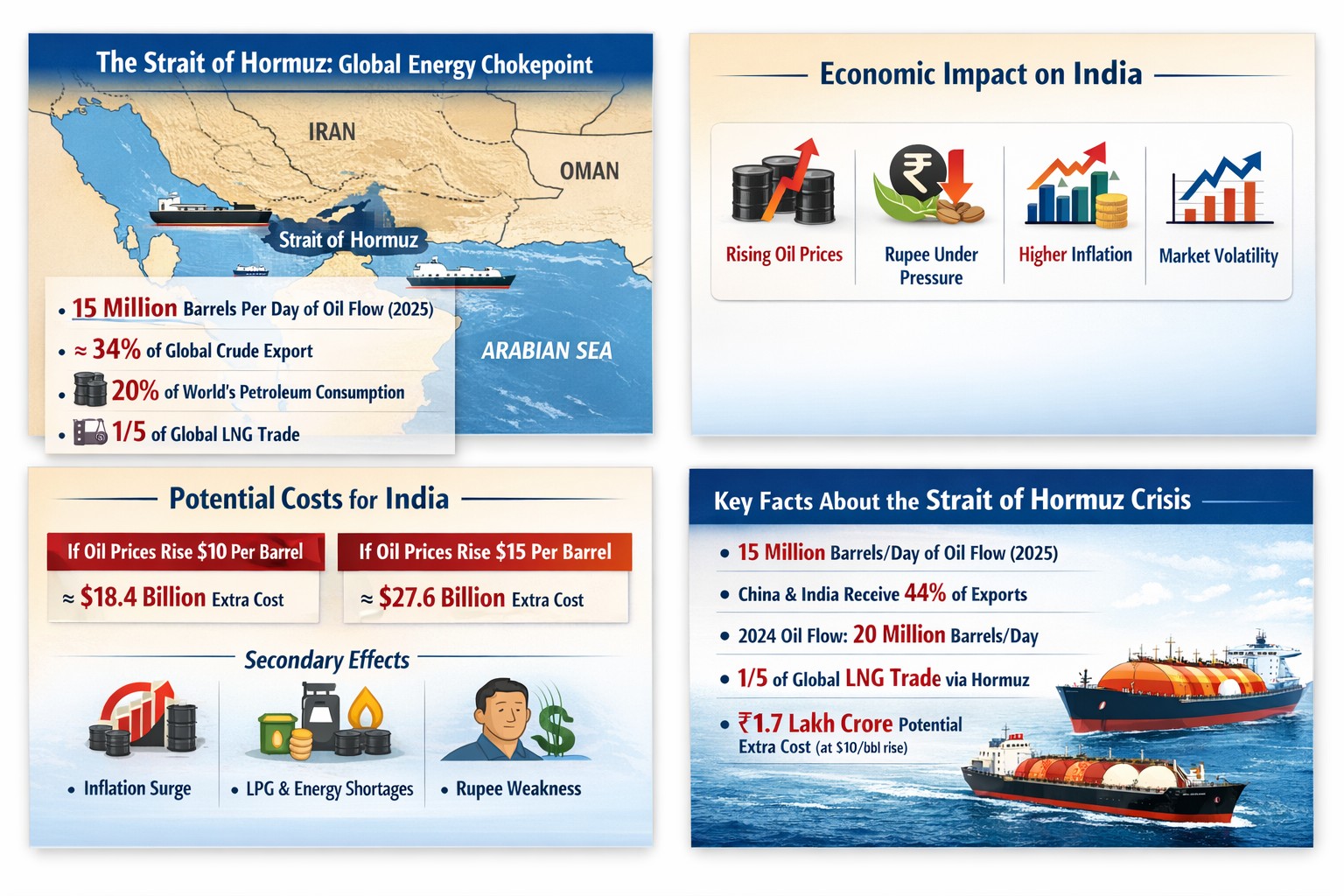
The Strait of Hormuz is one of the most strategically important waterways in the world. Nearly 20% of global oil supply passes through this narrow route, connecting major oil-producing countries such as Saudi Arabia, the UAE, Iraq, Kuwait, and Iran to international markets.
Any disruption here has immediate consequences for oil prices, global trade, and economic stability. When this route slows down, the entire world feels the pressure.
The scale of the disruption becomes clear when we look at the numbers. Before the crisis, approximately 138 ships crossed the strait daily. Now, only 99 ships have passed in an entire month, bringing the average down to just 5–6 ships per day.
This means the route is currently operating at only 5% of its normal capacity, marking one of the most severe declines in global shipping activity in recent times.
The pattern of shipping has changed significantly. Nearly one-third of the vessels currently operating have some connection to Iran, including Iranian-flagged ships and vessels linked to oil trade involving the country.
In addition, around nine ships are associated with Chinese companies, reflecting continued energy demand. About six ships have been heading toward India, indicating that essential supply chains are still functioning, though under pressure.
There are also ships owned by global shipping companies, particularly from Greece, which remains one of the largest ship-owning nations. However, overall international participation has reduced significantly, showing a shift toward more controlled and selective movement.
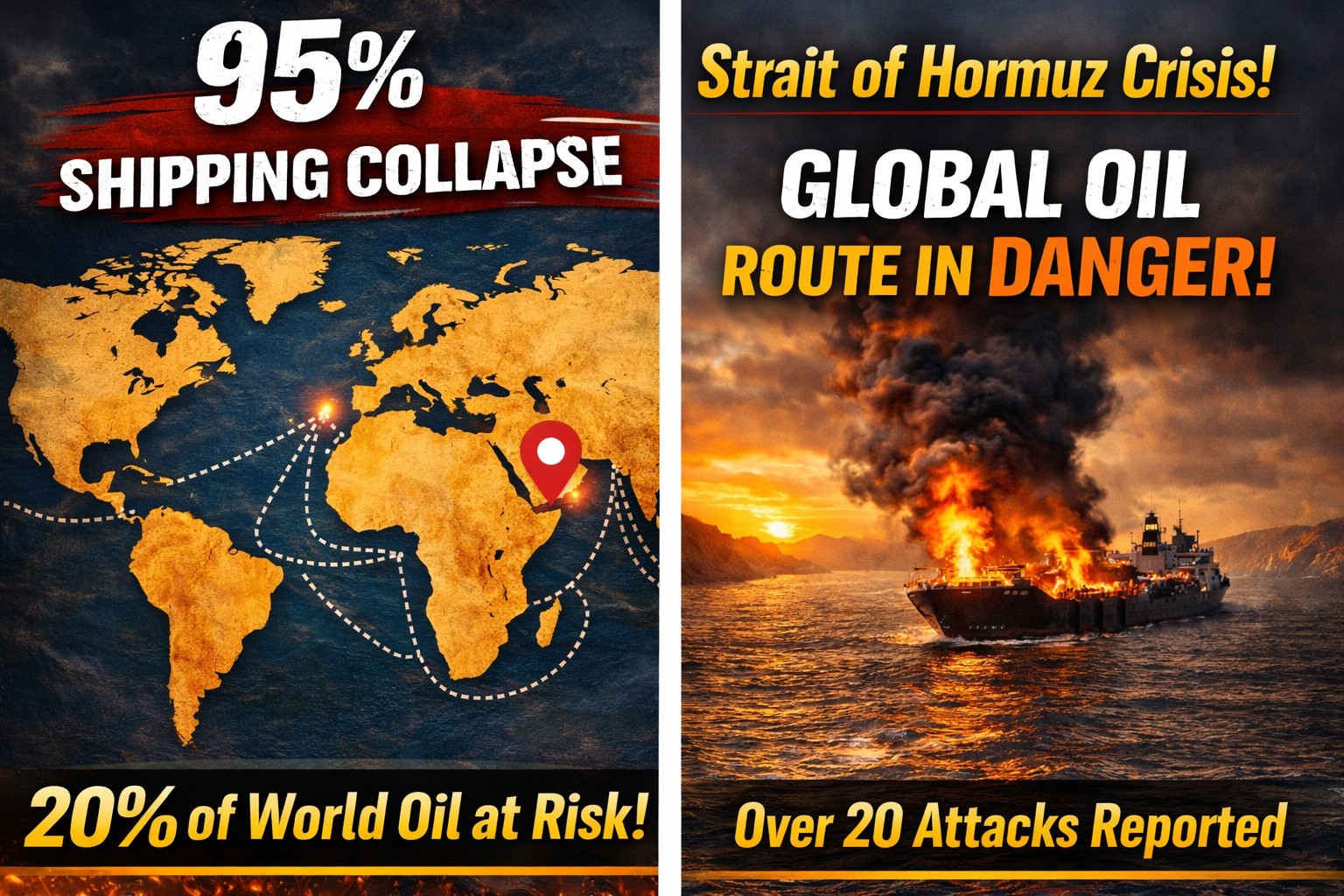
The risks in the region have increased sharply. Since the escalation began, more than 20 commercial vessels have been attacked, creating fear and uncertainty among shipping operators.
As a result, ships are no longer following standard international routes. Many are moving closer to coastlines or taking longer paths to reduce exposure to threats. In some cases, vessels are even adjusting routes near specific territorial waters, indicating a shift in how navigation is being managed.
This has led to higher shipping costs, rising insurance premiums, and delays in global supply chains.
India is particularly vulnerable to disruptions in the Strait of Hormuz due to its heavy reliance on imported oil. With over 85% of its crude oil coming from abroad, any slowdown in this route directly affects fuel availability and pricing.
This can lead to higher petrol and diesel prices, increased inflation, and added pressure on household budgets. Businesses may also face rising costs, which can impact overall economic growth.
The impact of this crisis extends far beyond the energy sector. Rising oil prices can increase transportation costs, which in turn affects the price of goods and services worldwide.
Supply chain delays can slow down production in industries, while financial markets may react with increased volatility due to uncertainty. This creates a ripple effect that touches nearly every aspect of the global economy.
For investors, this situation highlights both risks and opportunities. Sectors such as energy, commodities, and defense may benefit from rising demand and price movements. On the other hand, industries like aviation, logistics, and manufacturing, which depend on stable fuel supply, may face challenges.
In such an environment, investors should focus on diversification, avoid panic-driven decisions, and maintain a long-term perspective. Understanding global developments is key to making informed investment choices.
The current situation suggests that global trade routes may no longer function as freely as before. Increased geopolitical tension could lead to more controlled and risk-based navigation systems.
Countries may start focusing on regional trade partnerships and reduce dependence on critical chokepoints like the Strait of Hormuz. This could mark a shift from globalization toward a more strategic and localized trade system.
The Strait of Hormuz crisis is not just about a drop in shipping numbers—it is a signal of deeper changes in global trade and energy systems.
With shipping activity reduced to just 5% of its normal level, the world is witnessing a rare and significant disruption. For individuals, businesses, and investors, staying informed and prepared is essential in navigating this evolving landscape.
This content is for informational purposes only and should not be considered financial advice. Market conditions may change rapidly. Please consult a financial advisor before making investment decisions.
Your email address will not be published. Required fields are marked *