By Safe Investment March 20, 2026
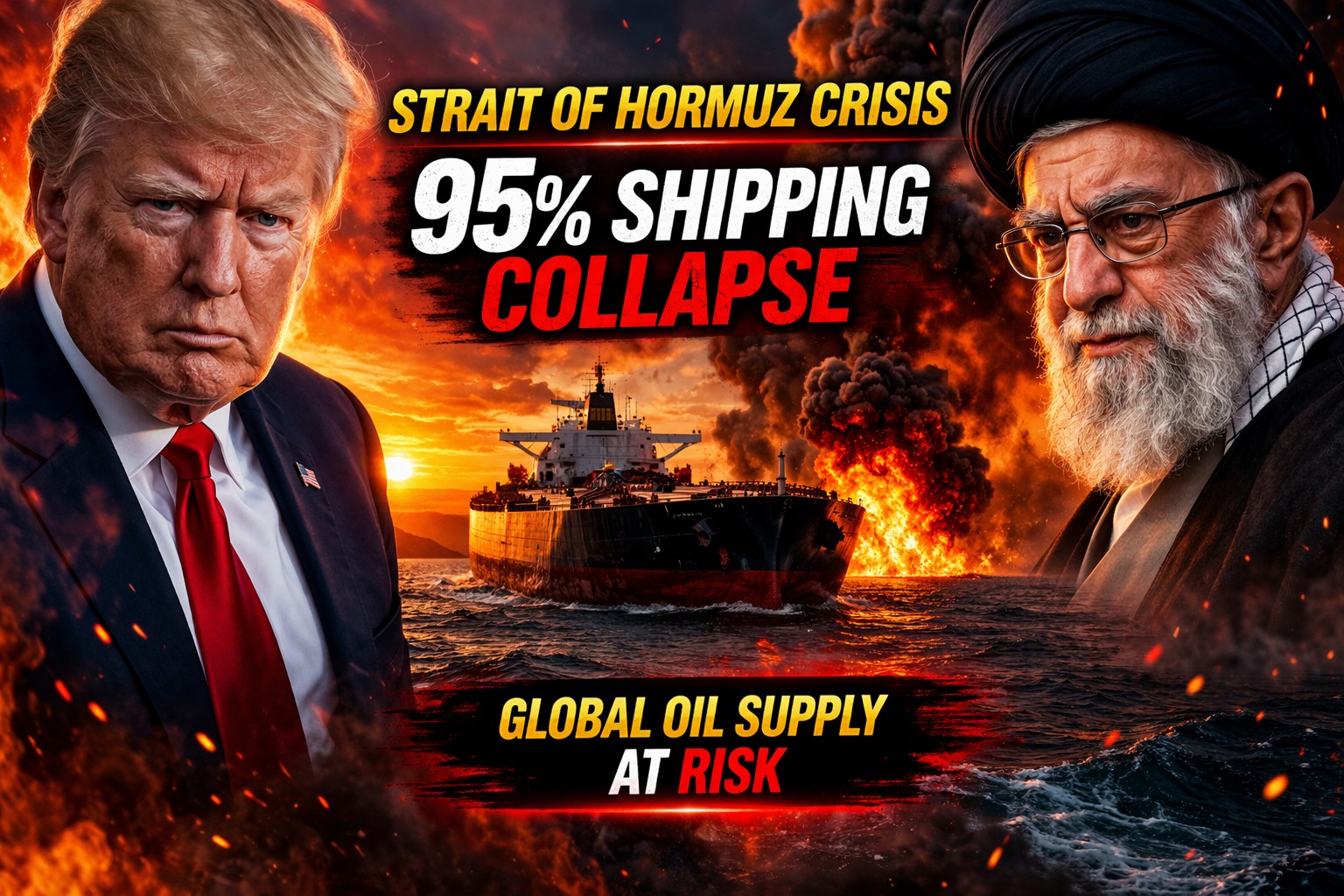
Strait of Hormuz Crisis: History, Economic Importance, and Its Impact on India
The Strait of Hormuz is one of the world’s most critical oil routes, and any disruption can significantly impact India’s economy. From rising crude oil prices to inflation, rupee pressure, and market volatility, this global chokepoint plays a key role in shaping economic and investment outcomes for India.
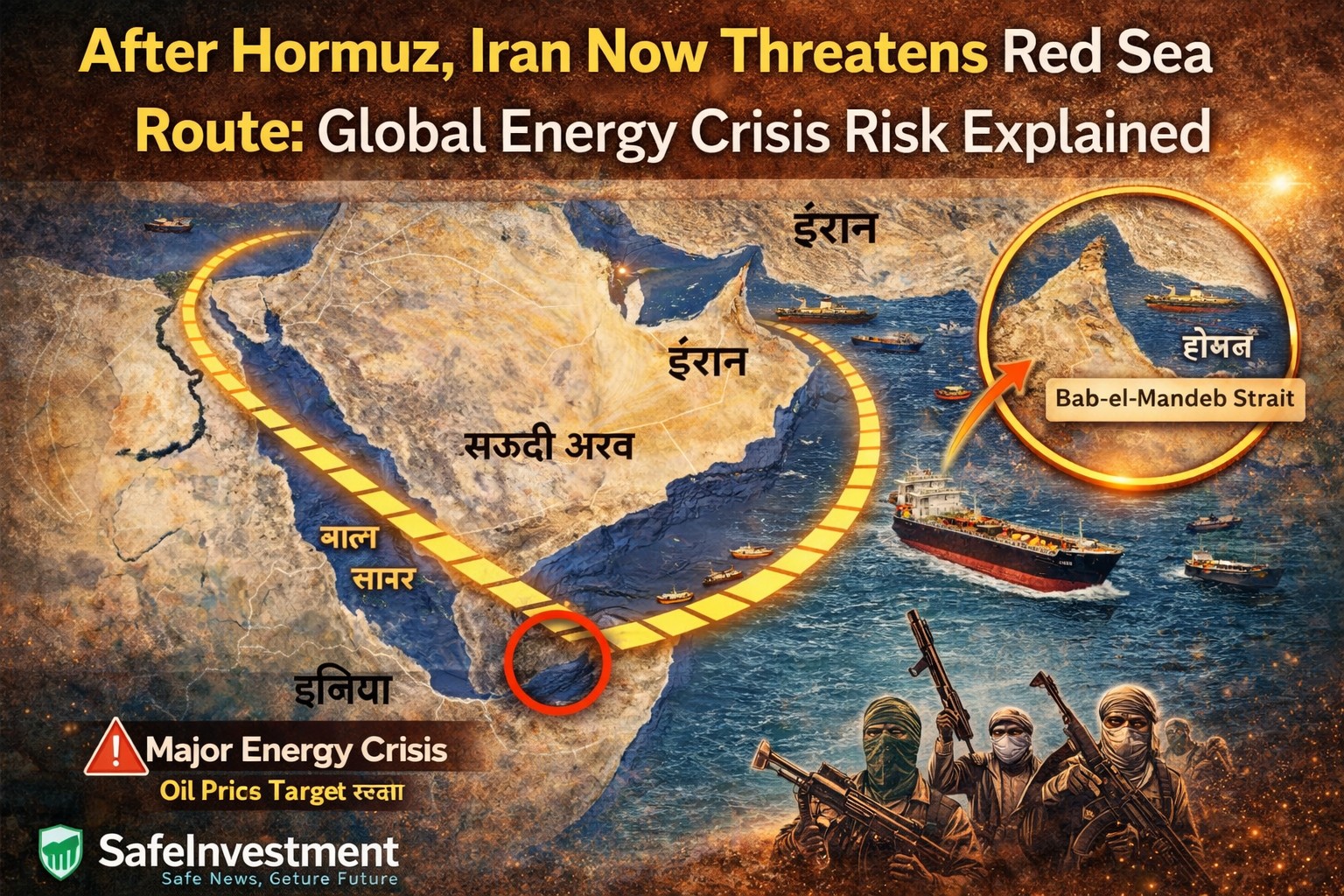
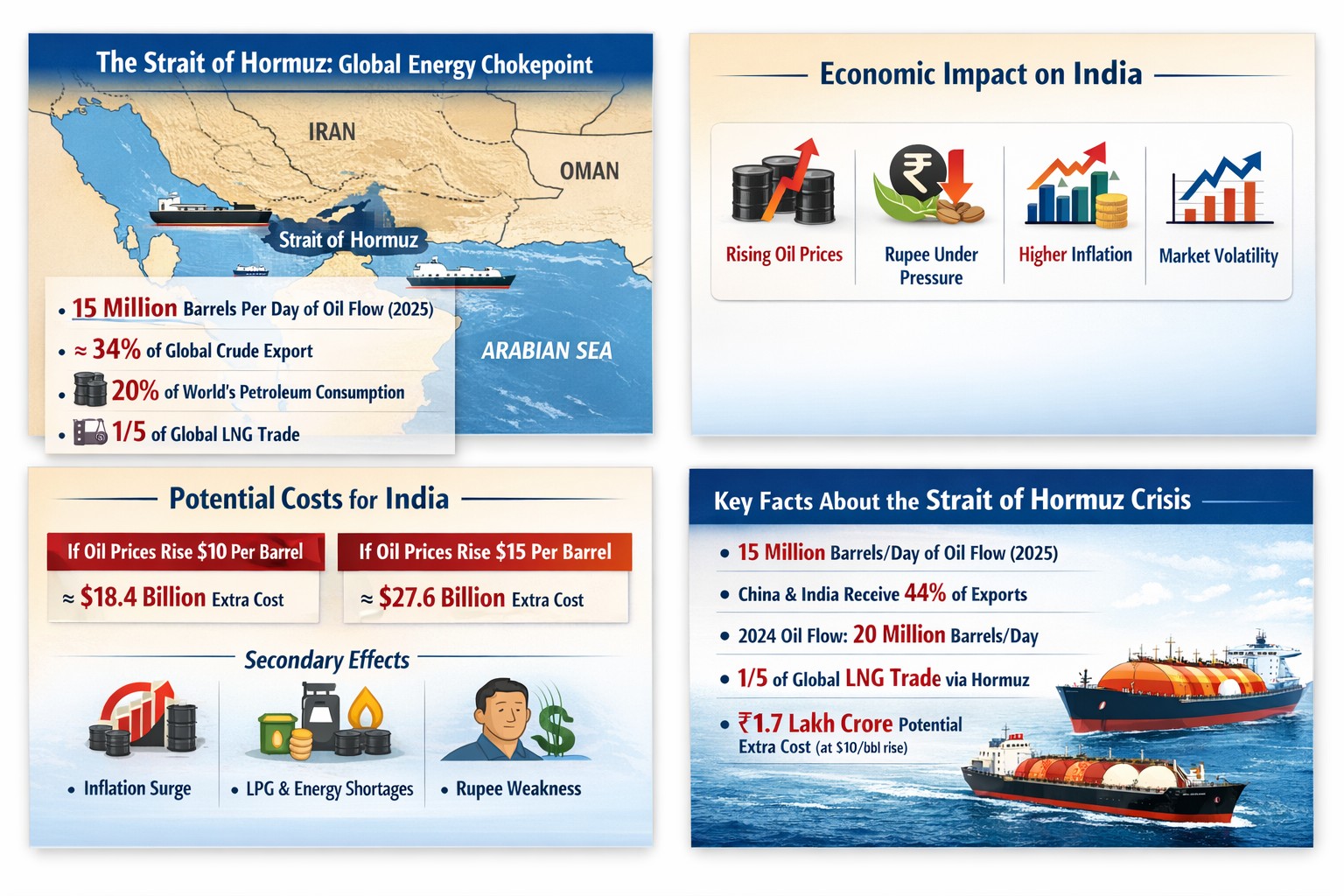
The Strait of Hormuz is one of the most strategically important waterways in the world. Located between Iran and Oman, it connects the Persian Gulf to the Arabian Sea and serves as a vital route for global energy trade. For India, the Strait of Hormuz is not just a geopolitical flashpoint. It is a critical economic concern because disruptions in this route can affect oil prices, inflation, imports, the rupee, and investor sentiment.
The Strait of Hormuz has been significant for centuries because it has long linked Gulf trade with the Indian Ocean. Over time, its importance grew from regional maritime commerce to global strategic relevance. In the modern era, the rise of Gulf oil exports transformed it into one of the world’s most important energy chokepoints. Today, its role extends beyond crude oil to petroleum products and liquefied natural gas, making it central to energy security for major importing economies, especially in Asia.
The scale of energy flows through this narrow route is enormous. The International Energy Agency says that in 2025, nearly 15 million barrels per day of crude oil passed through the Strait of Hormuz, equal to about 34% of global crude oil trade. It also notes that China and India together received 44% of those crude exports.
The U.S. Energy Information Administration adds that in 2024 and the first quarter of 2025, flows through the strait made up more than one-quarter of total global seaborne oil trade and about one-fifth of global oil and petroleum product consumption. Around one-fifth of global LNG trade also moved through this route in 2024.
These numbers explain why even limited tensions in the region can trigger immediate reactions in commodity and financial markets.
India remains heavily dependent on imported energy. Reuters reported on March 19, 2026, that India relies on imports for more than 90% of its oil needs and processes about 5.6 million barrels per day across its refineries.
Official PPAC data also shows that India’s crude oil imports increased by 3.2% during April–December FY 2024–25 compared with the same period a year earlier. That means India’s exposure to global oil supply risks remains substantial.
Because a large share of Gulf energy exports passes through the Strait of Hormuz, any disruption there can raise India’s import costs very quickly.
A Strait of Hormuz crisis can affect India through several channels.
First, it can raise crude oil prices. When supply risks increase, traders price in uncertainty immediately, pushing up benchmark crude prices and freight costs. That increases India’s import bill.
Second, higher crude prices can feed into inflation. More expensive fuel raises transportation and logistics costs, which then affect the prices of goods and services across the economy.
Third, oil shocks can put pressure on the rupee because India must spend more dollars to pay for energy imports. That can make imports more expensive and intensify inflationary pressures further. Reuters reported on March 20, 2026, that oil fears were already weighing on the rupee.
Fourth, financial markets can become more volatile. Sectors such as airlines, logistics, chemicals, and oil marketing companies are often vulnerable to higher fuel and input costs, while some upstream energy businesses may benefit from stronger crude prices.
No one can calculate an exact future loss with certainty because the outcome depends on how long disruptions last and how much oil prices rise. But scenario-based estimates can show the scale of the risk.
Using Reuters’ March 19, 2026 figure that India processes about 5.6 million barrels per day and depends on imports for over 90% of its oil needs, India’s oil import exposure is roughly 5.0 million barrels per day.
On that basis:
If crude prices stay $10 per barrel higher for a full year, India’s additional annual oil import burden could be about $18.4 billion.
If crude prices stay $15 per barrel higher for a full year, the additional burden could rise to about $27.6 billion.
These are broad estimates based on import exposure and sustained price increases. They do not include the secondary effects on inflation, the rupee, LPG supply, corporate margins, or stock market volatility.
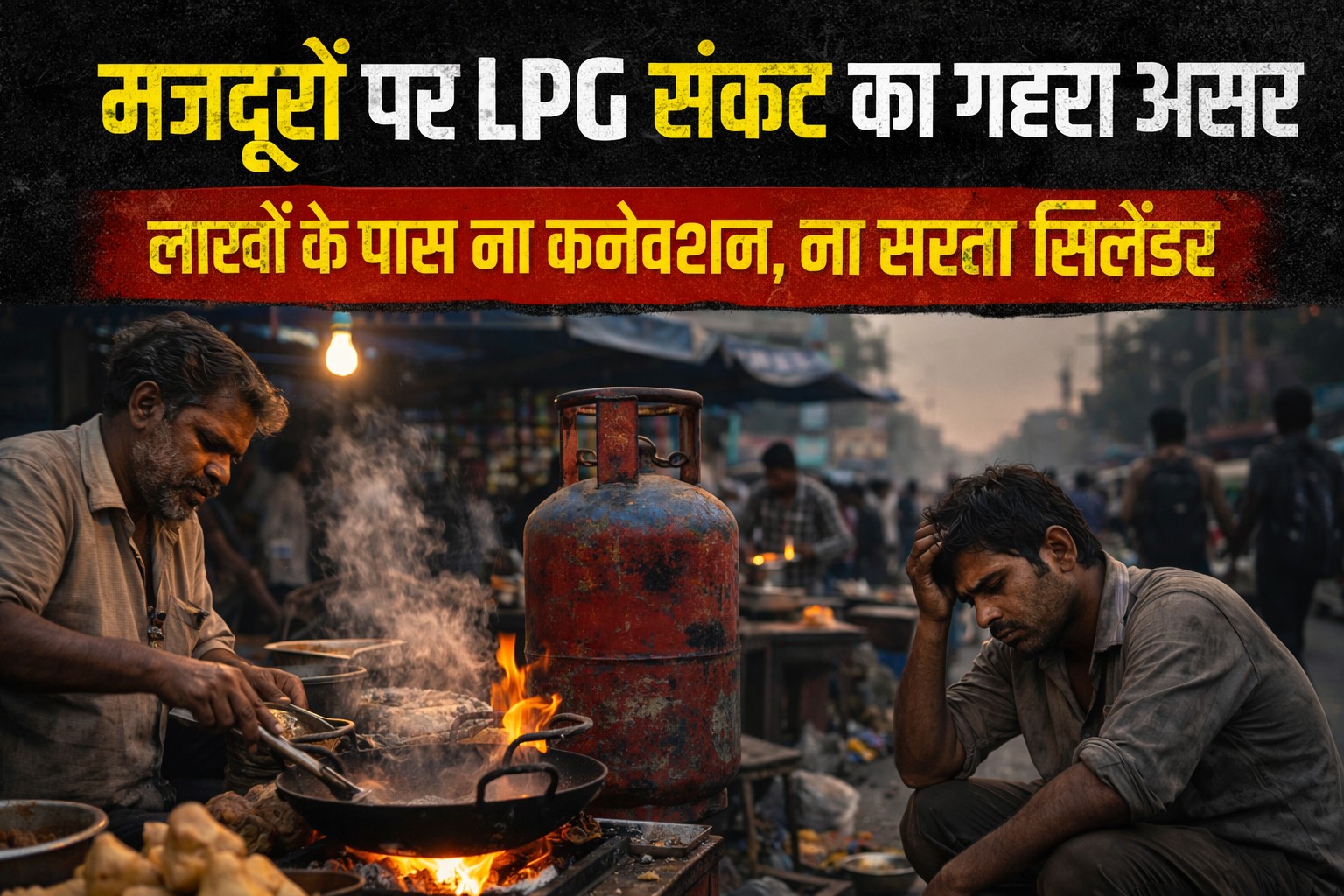
Recent reporting suggests those secondary effects are not theoretical. Reuters reported that India has already been assessing domestic fuel availability, facing LPG shortages, and seeking alternative cargoes because of Strait-related disruptions and higher Middle Eastern crude costs.
For investors, the Strait of Hormuz is not just an international affairs topic. It is a market variable that can affect portfolio performance through higher inflation, currency pressure, and sector rotation.
A prolonged disruption could increase costs across the economy, weaken sentiment in fuel-sensitive sectors, and create volatility in equities. At the same time, energy producers and some commodity-linked assets may benefit from higher prices. That is why investors should monitor crude oil, currency movements, inflation trends, and sector-specific reactions during periods of elevated geopolitical risk.
The Strait of Hormuz has evolved from a historically important maritime passage into one of the world’s most critical energy chokepoints. Its importance to India is especially high because India depends heavily on imported oil and because Asia receives a large share of the crude moving through this route.
If disruptions are brief, India may be able to absorb the shock. But if higher crude prices persist, the cost could run into tens of billions of dollars, with wider effects on inflation, the rupee, LPG supply, and stock market sentiment. For Safe Investment readers, the key lesson is clear: global energy routes can have direct consequences for the Indian economy and for investment decisions at home.
Disclaimer: This content is for educational and informational purposes only. It should not be considered financial, investment, legal, or economic advice. Market conditions, geopolitical developments, and oil prices can change rapidly, and actual outcomes may differ from estimates or scenarios discussed. Readers should conduct their own research and consult a qualified professional before making any financial or investment decisions.
Your email address will not be published. Required fields are marked *