By Safe Investment April 2, 2026
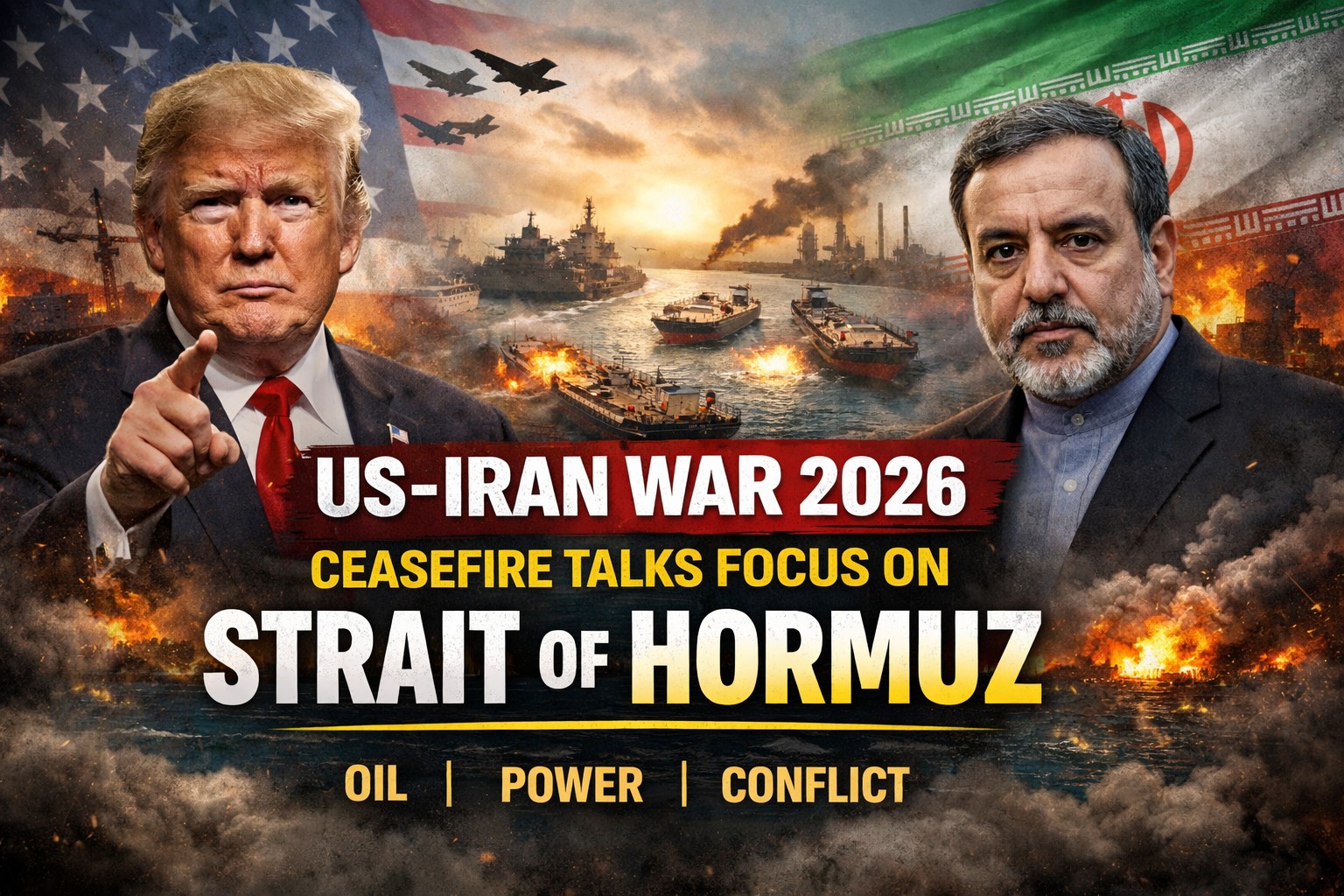
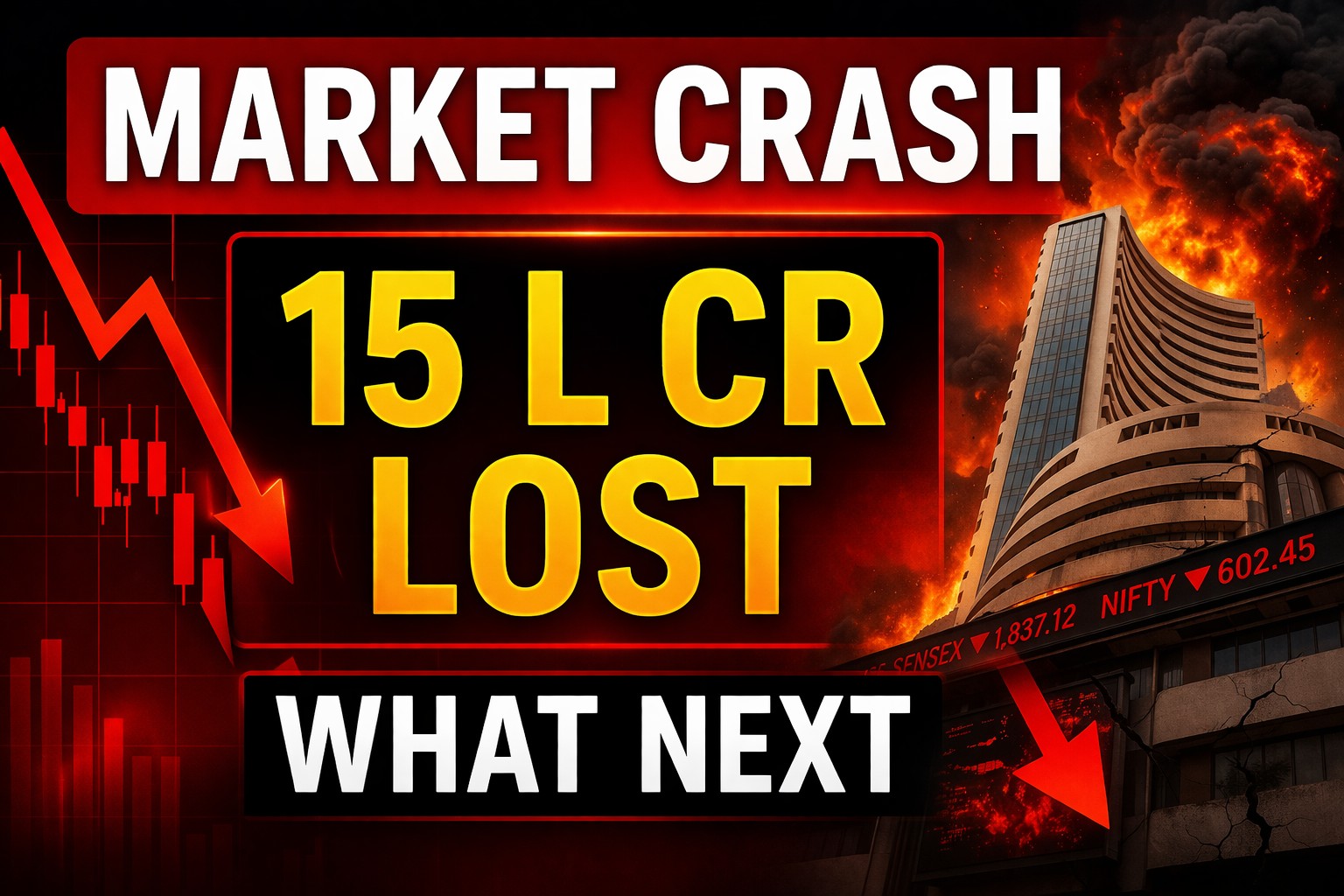
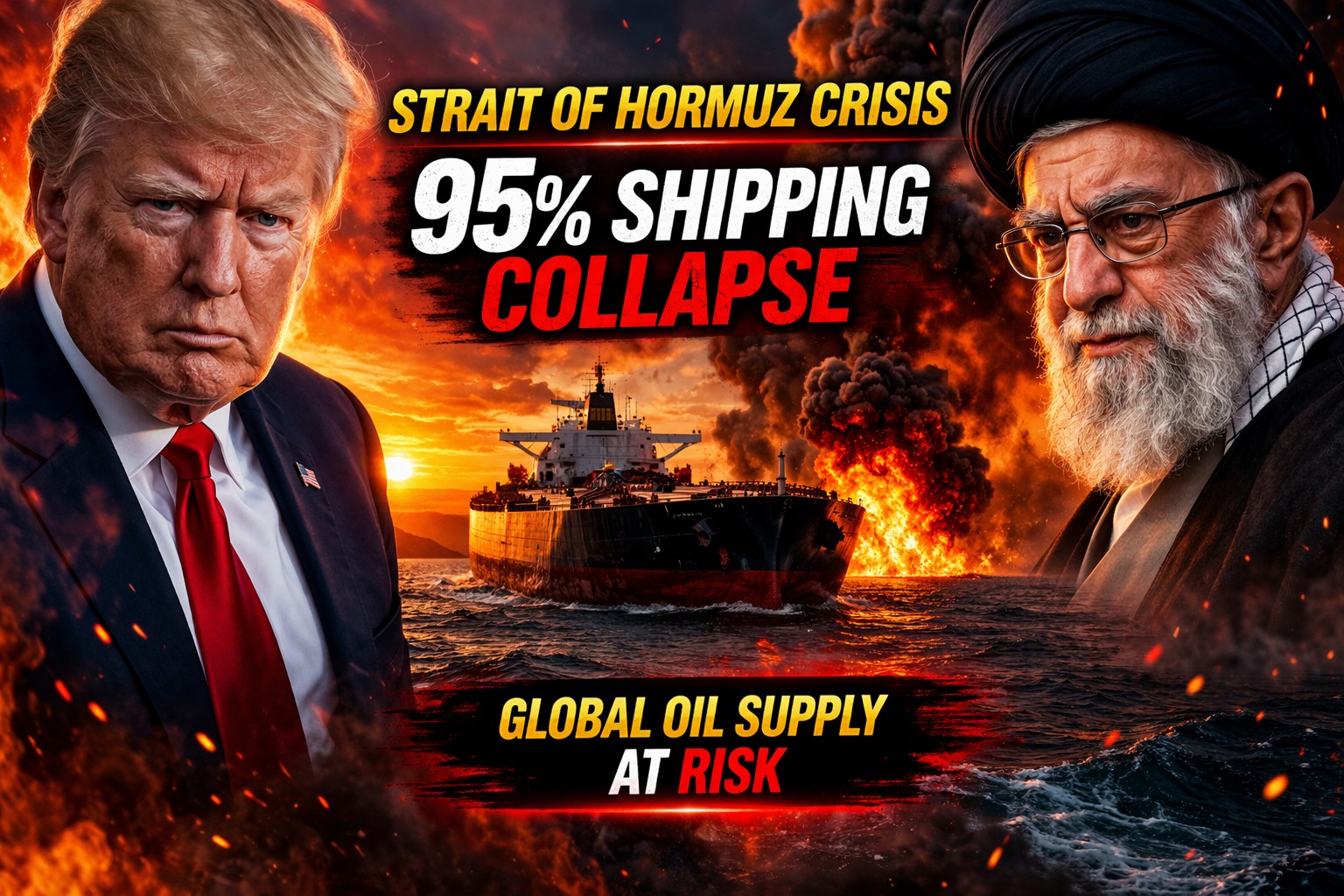
The ongoing conflict between the United States and Iran is no longer just a geopolitical issue—it is a major financial event that can directly impact your money.
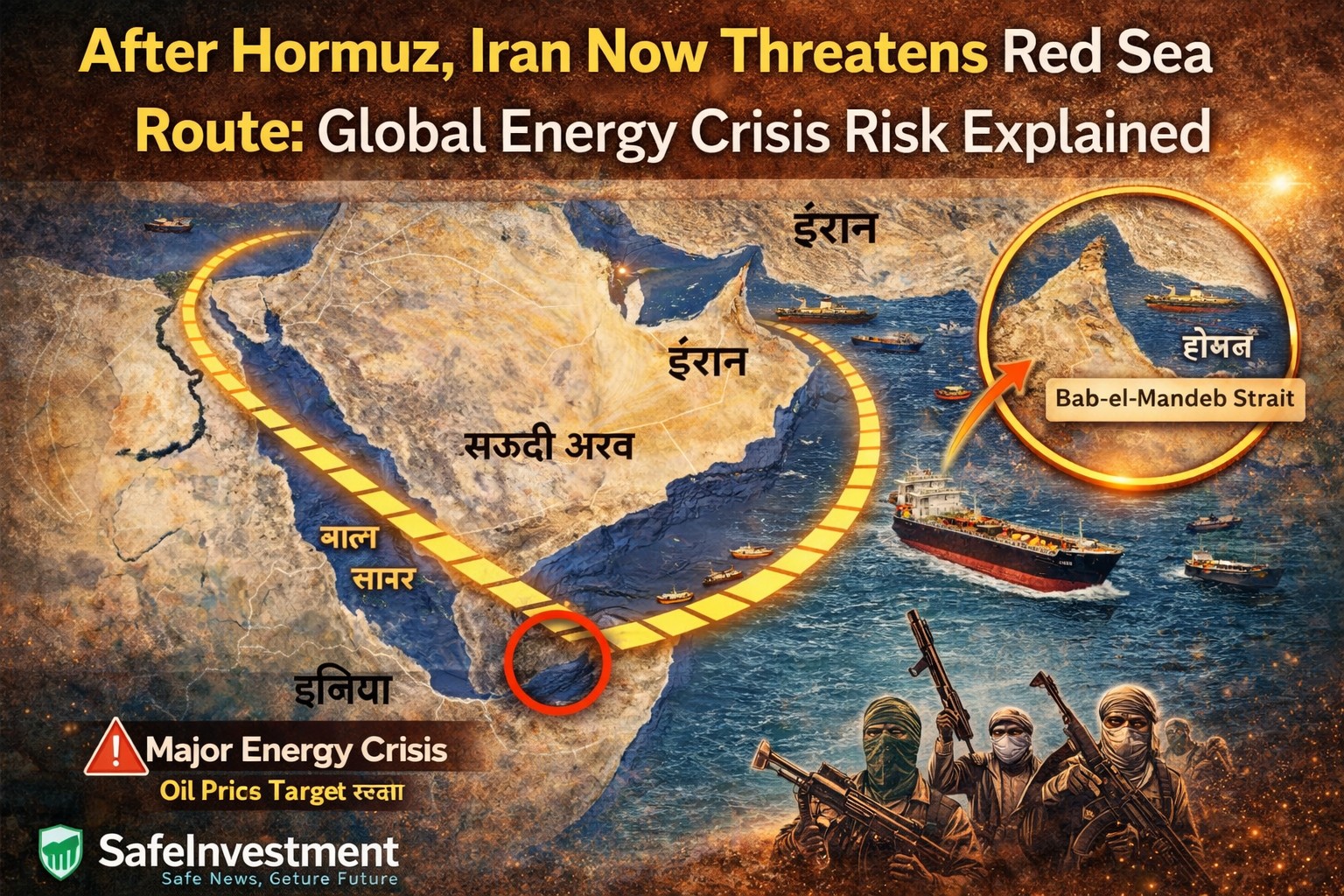
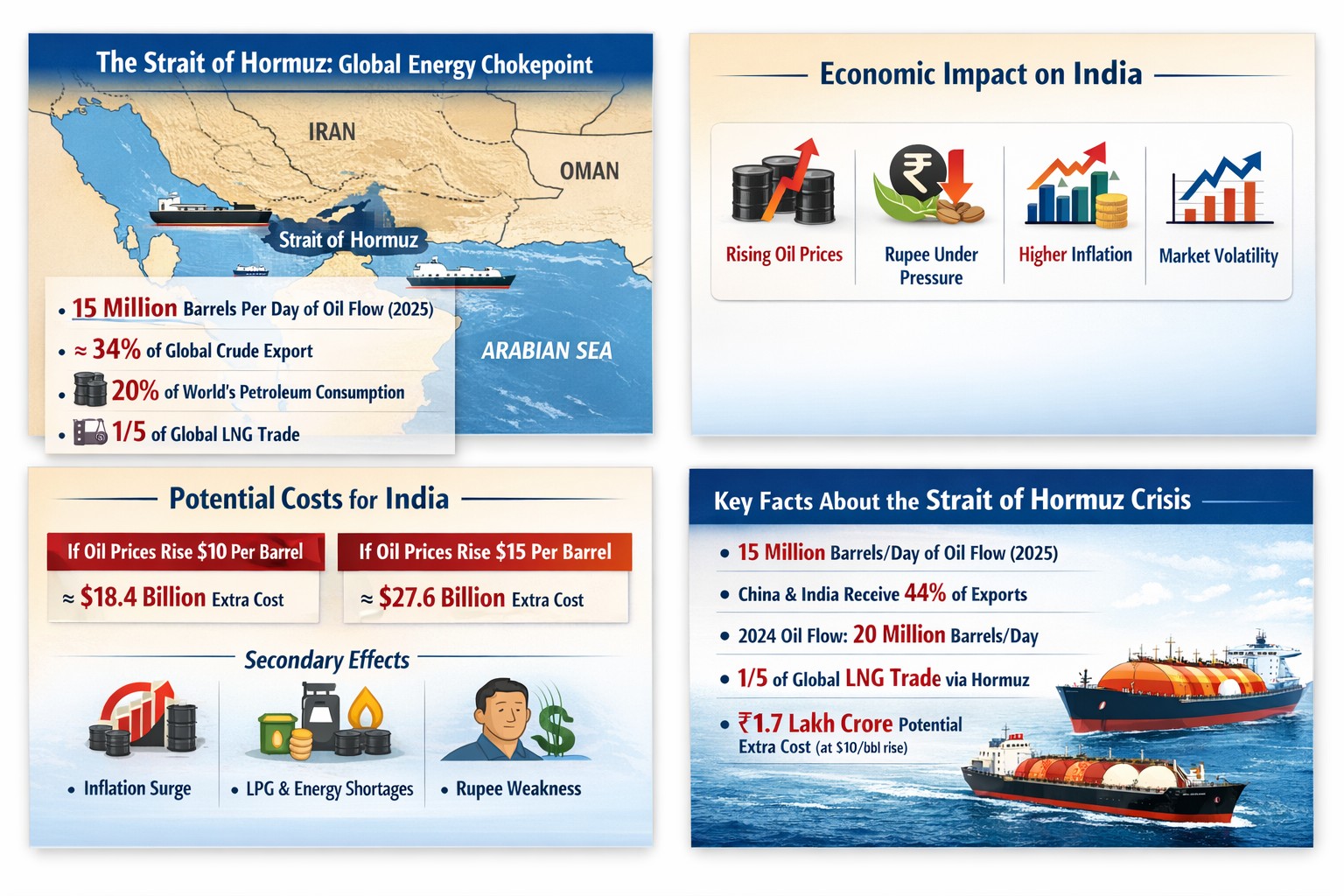
At the center of this crisis is the Strait of Hormuz, a critical oil route that controls a significant portion of global energy supply.
As ceasefire talks continue, investors around the world are closely watching one key question:
Will oil flow remain stable?
This war is not just about politics—it directly affects financial markets:
In simple terms:
Geopolitical tension = Financial uncertainty
The Strait of Hormuz plays a crucial role in global trade:
If this route is blocked or threatened:
The US has clearly stated that a ceasefire will only happen if the Strait remains open and secure.
However:
This creates uncertainty, which is the biggest risk for investors.
In such uncertain times, smart investors focus on capital protection first, growth later.
Avoid putting all money in one asset class.
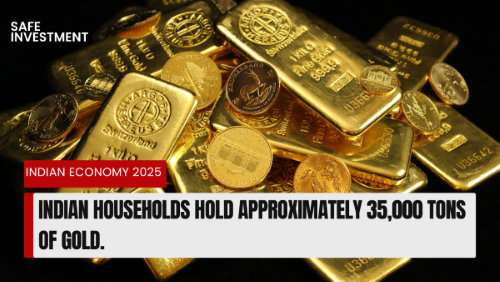
Mix of equity, debt, and gold is safer.
Consider:
Markets can be unpredictable during geopolitical tensions.
Rising inflation can affect monthly expenses.
Short-term panic should not destroy long-term wealth creation.
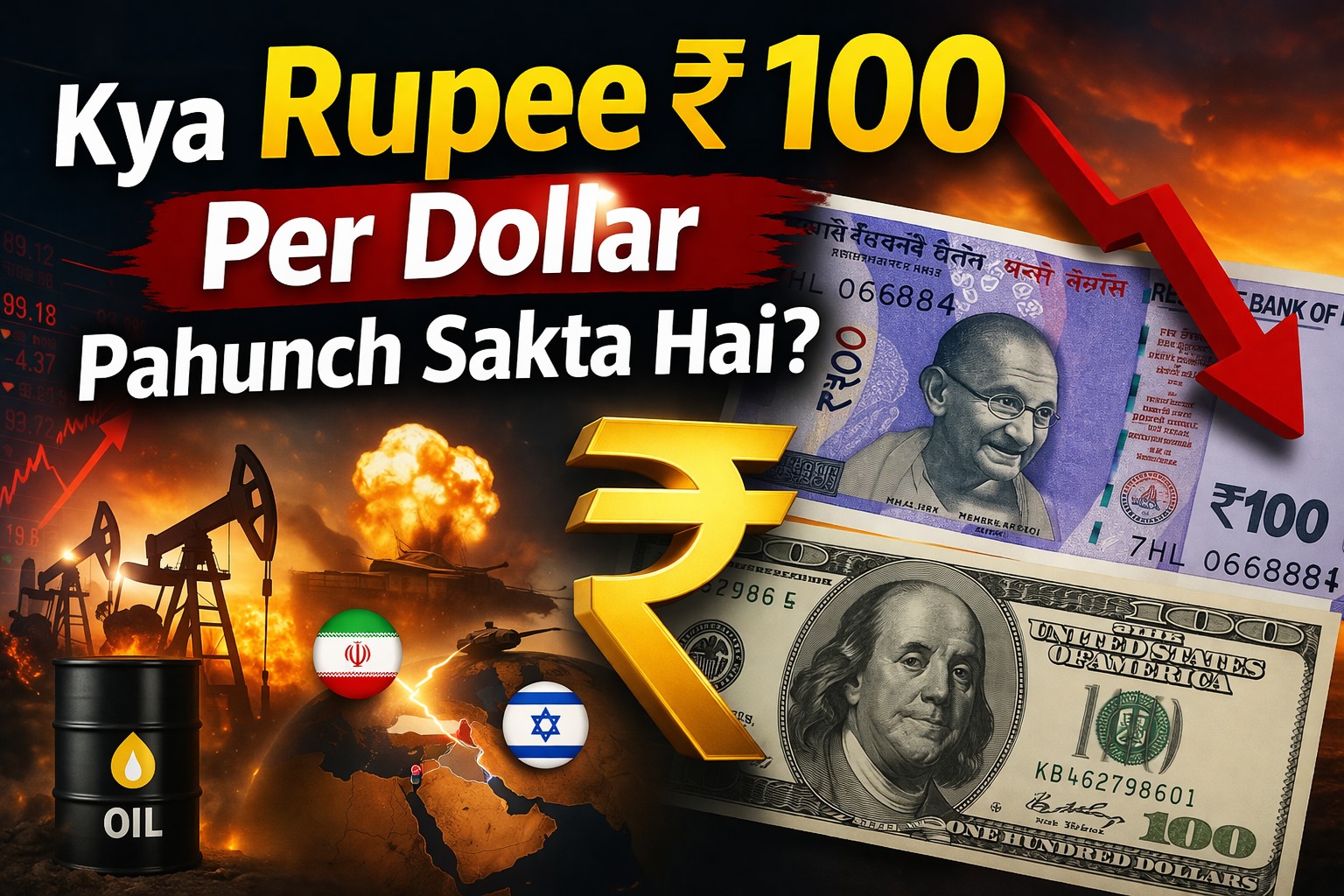
India imports a large portion of its oil.
If oil prices rise:
This directly impacts:
The US-Iran conflict is a reminder that global events can directly impact your financial life.
Whether a ceasefire happens or not, one thing is clear:
Uncertainty will remain in the short term.
That is why focusing on safe investment strategies, diversification, and risk management is the smartest move right now.
The Strait of Hormuz is a narrow sea route through which nearly 20% of the world’s oil supply passes. Any disruption in this route can significantly impact global oil prices and the economy.
The conflict creates uncertainty in oil supply. If shipping through the Strait of Hormuz is disrupted, oil prices can rise sharply due to reduced supply and increased risk.
Yes, India imports a large portion of its oil. If global oil prices rise, petrol and diesel prices in India are likely to increase, affecting daily expenses.
Stock markets usually become volatile. Investors may panic, leading to sudden drops, while safe assets like gold may see price increases.
Some safer investment options include:
No. Instead of stopping, focus on long-term investing and avoid panic decisions. Market volatility is temporary, but long-term growth opportunities remain.
Diversification reduces risk. If one asset class performs poorly (like stocks), others (like gold or bonds) can balance your portfolio.
Yes, rising oil prices can increase transportation and production costs, leading to higher inflation across goods and services.
Yes, gold is considered a safe haven. During uncertainty or war, investors often move towards gold, increasing its demand and price.
The best strategy is to stay calm, diversify investments, avoid high-risk trades, and focus on safe investment options with long-term goals.
Your email address will not be published. Required fields are marked *