By Safe Investment December 6, 2025

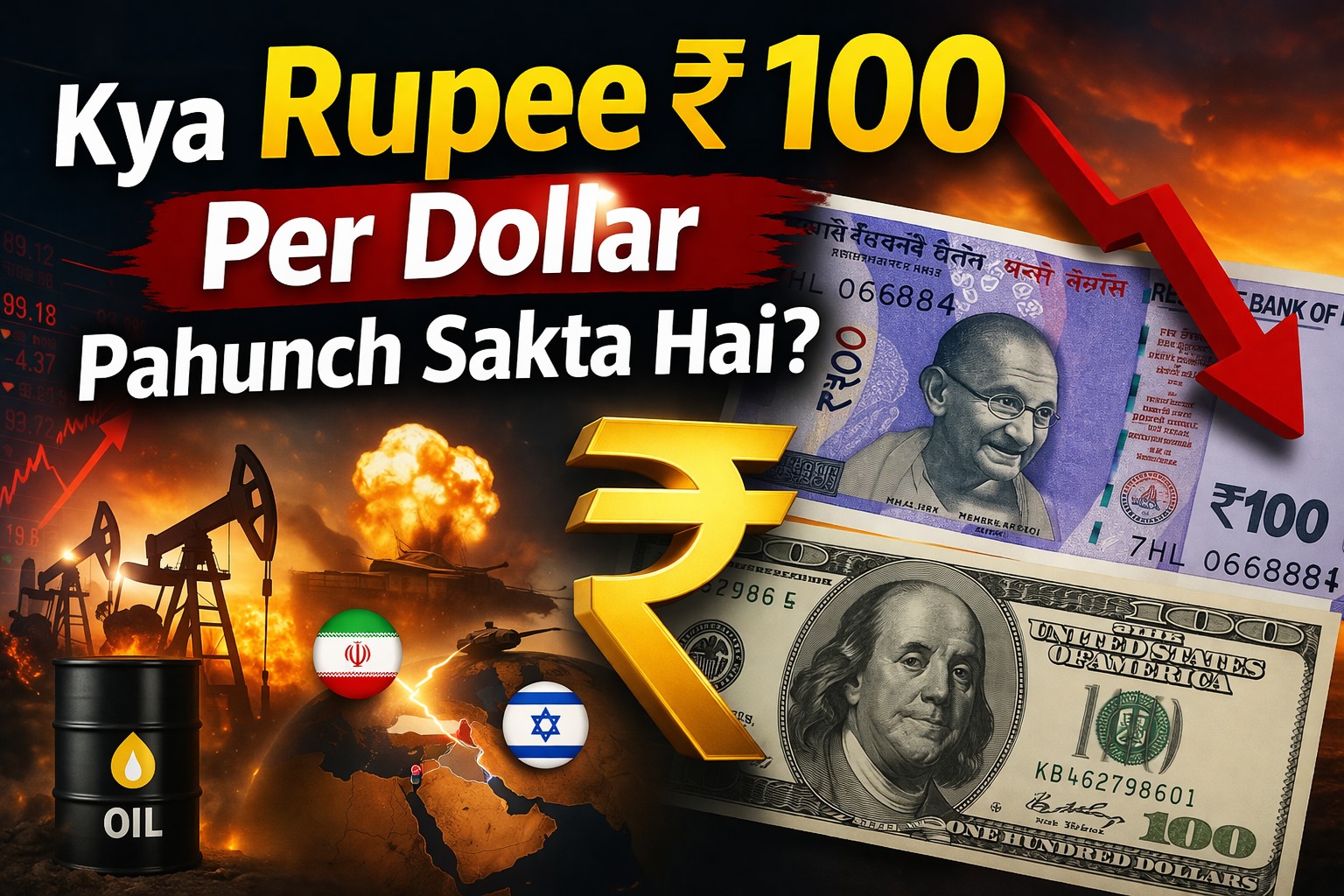
The Indian Rupee’s fall in late 2025 is the result of a mix of global and domestic pressures. Let me break it down clearly:
Global Factors
Strong US Dollar: The dollar has stayed firm because of high US interest rates and investors treating it as a safe haven.
Global Uncertainty: Geopolitical tensions and slower global growth have pushed money toward safer assets, away from emerging markets like India.
Domestic Factors
Capital Outflows: Foreign investors have been selling Indian stocks and bonds, pulling money out of the country.
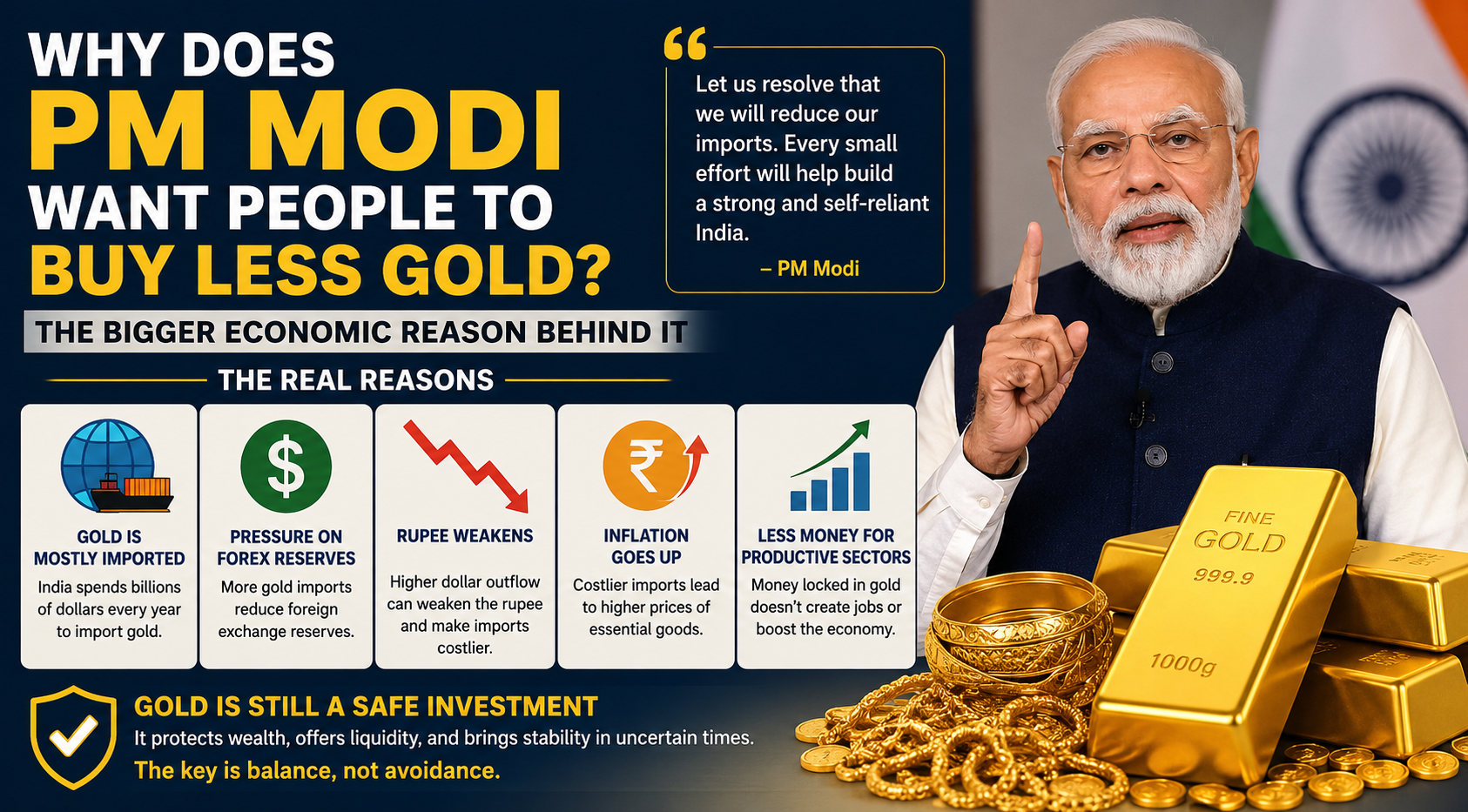
Trade Deficit: India’s import bill is heavy — especially for oil and gold. Gold imports in particular surged this year, worsening the imbalance.
RBI’s Softer Intervention: The Reserve Bank of India has not defended the rupee as aggressively as in 2024, conserving reserves and letting the currency adjust.
Policy Uncertainty: Delays in trade deals and unclear signals on monetary policy have made investors cautious.
The Impact
Rupee vs Dollar: The rupee has slipped past Rs 90 per USD, its weakest level ever.
Asia’s Worst Performer: In 2025, the rupee has been the weakest major Asian currency.
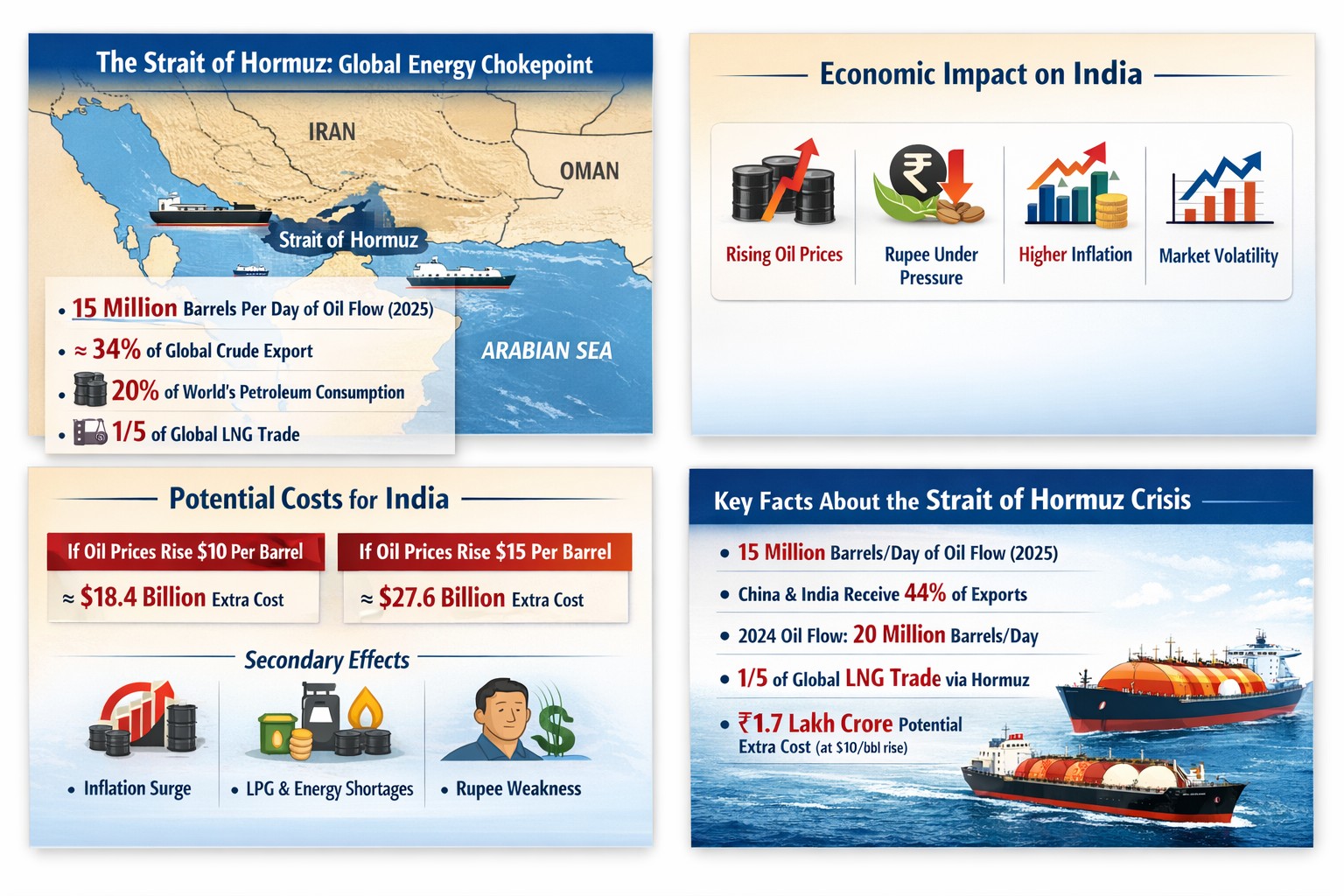
Inflation Risk: Costlier imports (fuel, electronics, gold) feed into higher prices for households.
Corporate Stress: Companies with dollar-denominated debt face higher repayment costs.
Silver Lining
Exports Gain: A weaker rupee makes Indian goods cheaper abroad, which can help exporters.
Tourism Boost: Foreign visitors find India cheaper, potentially supporting the travel sector.
How Gold Hurts the Rupee
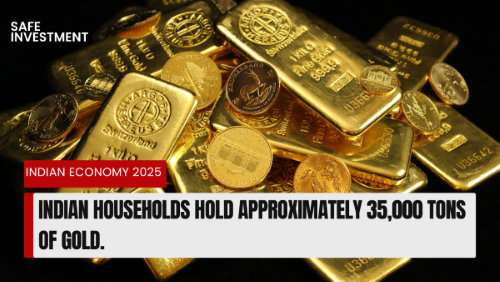
India loves gold. It’s cultural, festive, and investment-driven.
Gold is bought in dollars. Every time India imports gold, demand for dollars rises.
Trade deficit widens. In 2025, gold imports surged, adding billions to India’s import bill.
Dollar demand spikes. More dollars going out means the rupee weakens against the dollar.
In short: the rupee is falling because India is sending out more dollars than it’s bringing in, while global investors prefer the US dollar. Gold imports, oil bills, and foreign capital outflows are the biggest culprits.

Your email address will not be published. Required fields are marked *