By Safe Investment March 28, 2026
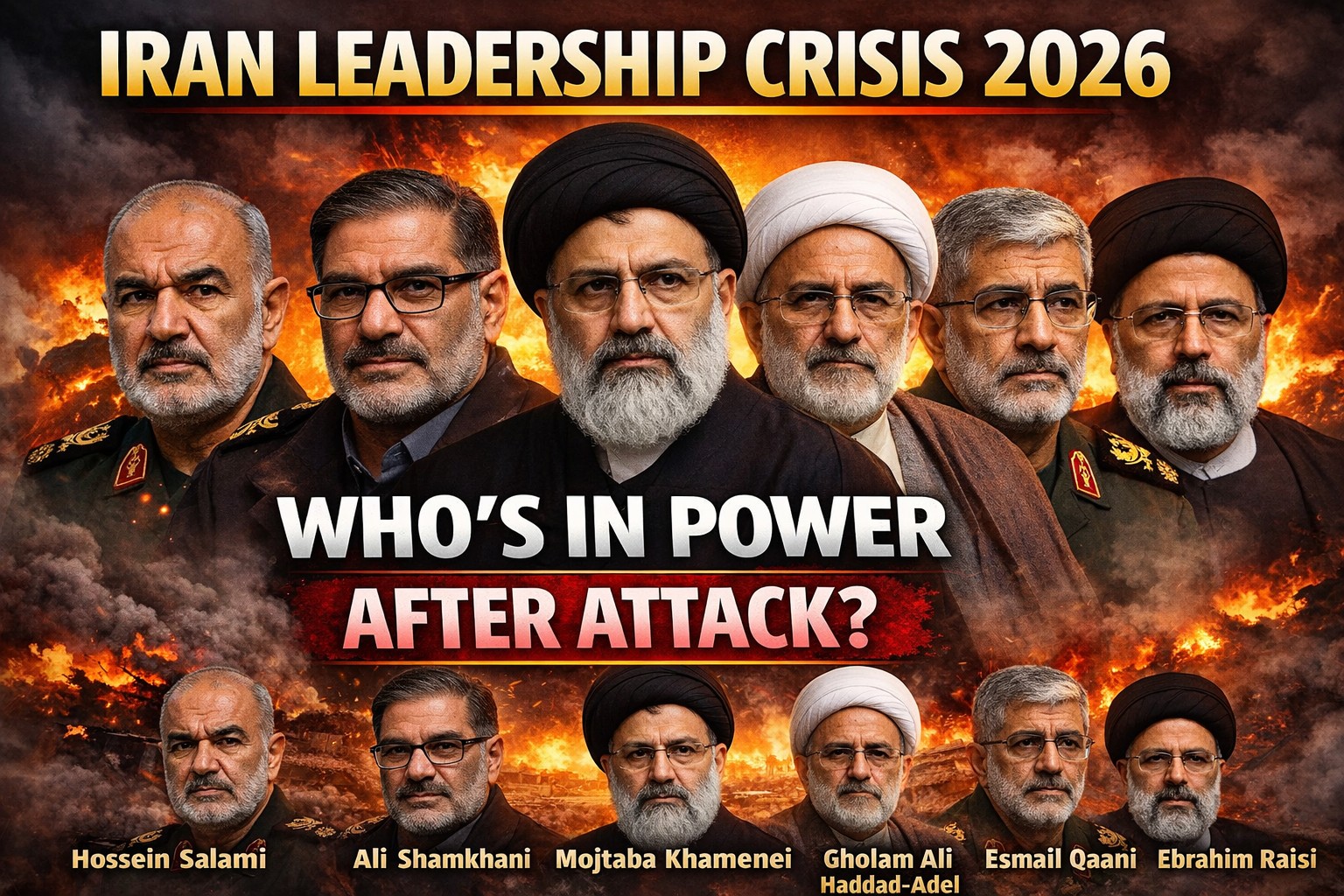
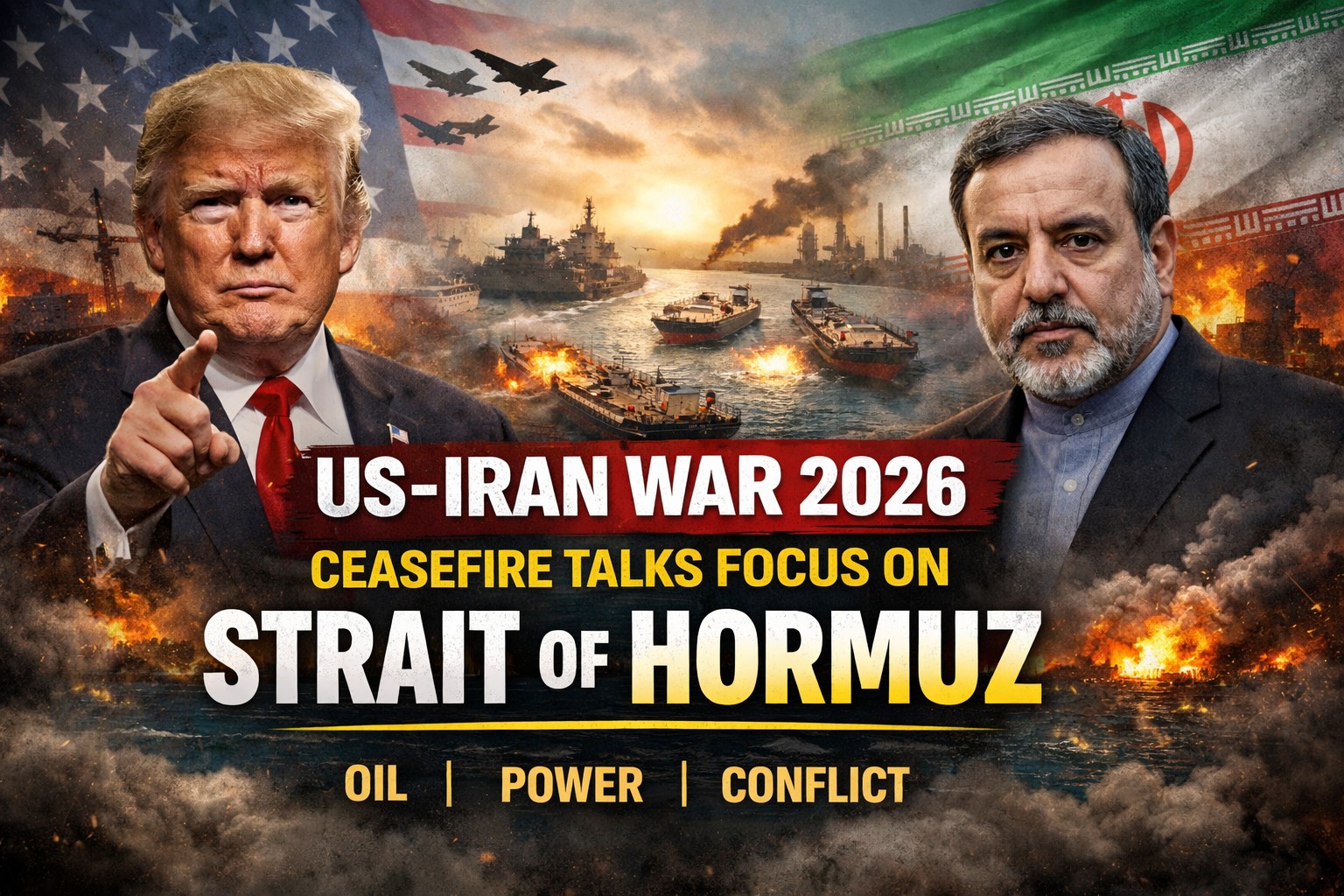
The US-Israel attack on Iran has triggered a major leadership crisis, eliminating several top officials and creating uncertainty over who controls power. This detailed analysis explores Iran’s new leadership, key figures, and the potential global impact of this crisis on geopolitics, oil supply, and financial markets.
US-Israel attacks have not only targeted Iran’s military but also its top leadership. To understand the real impact, it is important to look at each key leader and their role in Iran’s power structure.
Ayatollah Ali Khamenei was the most powerful figure in Iran for more than three decades. As Supreme Leader, he was not just a political head but also the highest authority over the military and religious institutions.
He served as:
Khamenei had the power to veto policies and influence elections. He also controlled the Revolutionary Guards and maintained balance between reformist and hardliner factions.
His death created a massive leadership vacuum, making it one of the most significant turning points in Iran’s modern history.
Mojtaba Khamenei, son of Ali Khamenei, was declared the new Supreme Leader on March 8, 2026.
However, his leadership is surrounded by uncertainty:
His statements have been delivered through written messages on state television, which raises questions about his control over the system.
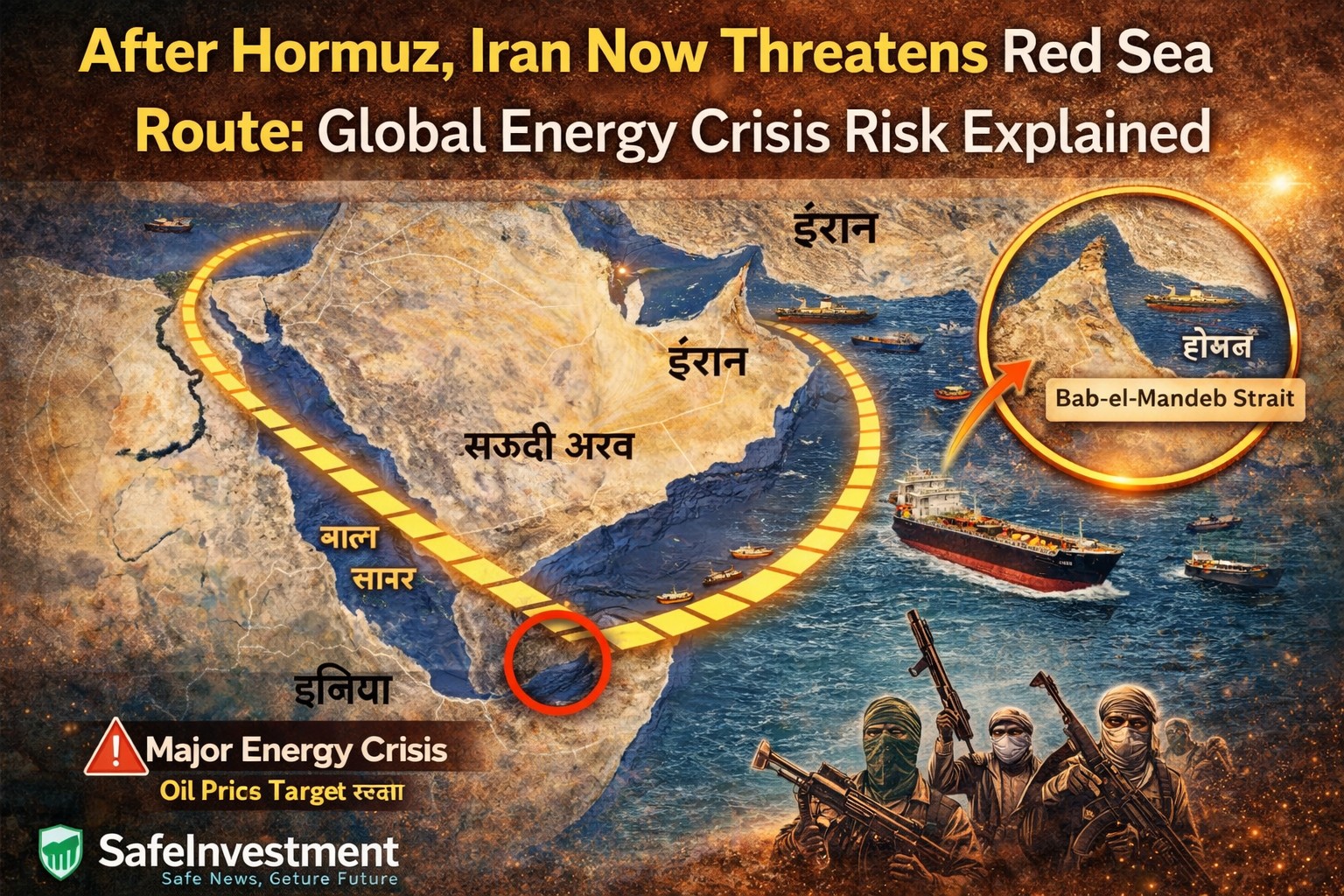
He has taken a strong stance by warning of closing the Strait of Hormuz — a move that could impact around 20% of global oil supply.
Ali Larijani was one of Iran’s most influential political and strategic figures.
His key roles included:
He played a crucial role in shaping Iran’s foreign policy and internal security decisions. His death has removed a key strategic brain from Iran’s leadership.
Ali Shamkhani was a veteran military leader and one of the most experienced figures in Iran’s defense system.
Over the years, he served as:
He played a major role in Iran’s nuclear and defense strategy and was considered a key pillar of national security.
His death has significantly weakened Iran’s defense planning capabilities.
Major General Mohammad Pakpour was the commander-in-chief of the Islamic Revolutionary Guard Corps (IRGC).
His responsibilities included:
He was a central figure in Iran’s military strength. His death has directly impacted Iran’s operational military command.
Masoud Pezeshkian is the current President of Iran and one of the few top leaders still active.
Key highlights:
He has taken a relatively moderate stance, calling for peace and international support after the attacks.
Mohammad Bagher Ghalibaf serves as the Speaker of Iran’s Parliament.
Background:
He remains one of the key political figures maintaining stability within the system.
The elimination of multiple top leaders has created a serious disruption in Iran’s power structure.
Iran is now facing a critical transition phase, where internal stability and global reactions will determine its future direction.
Your email address will not be published. Required fields are marked *