By Safe Investment March 28, 2026
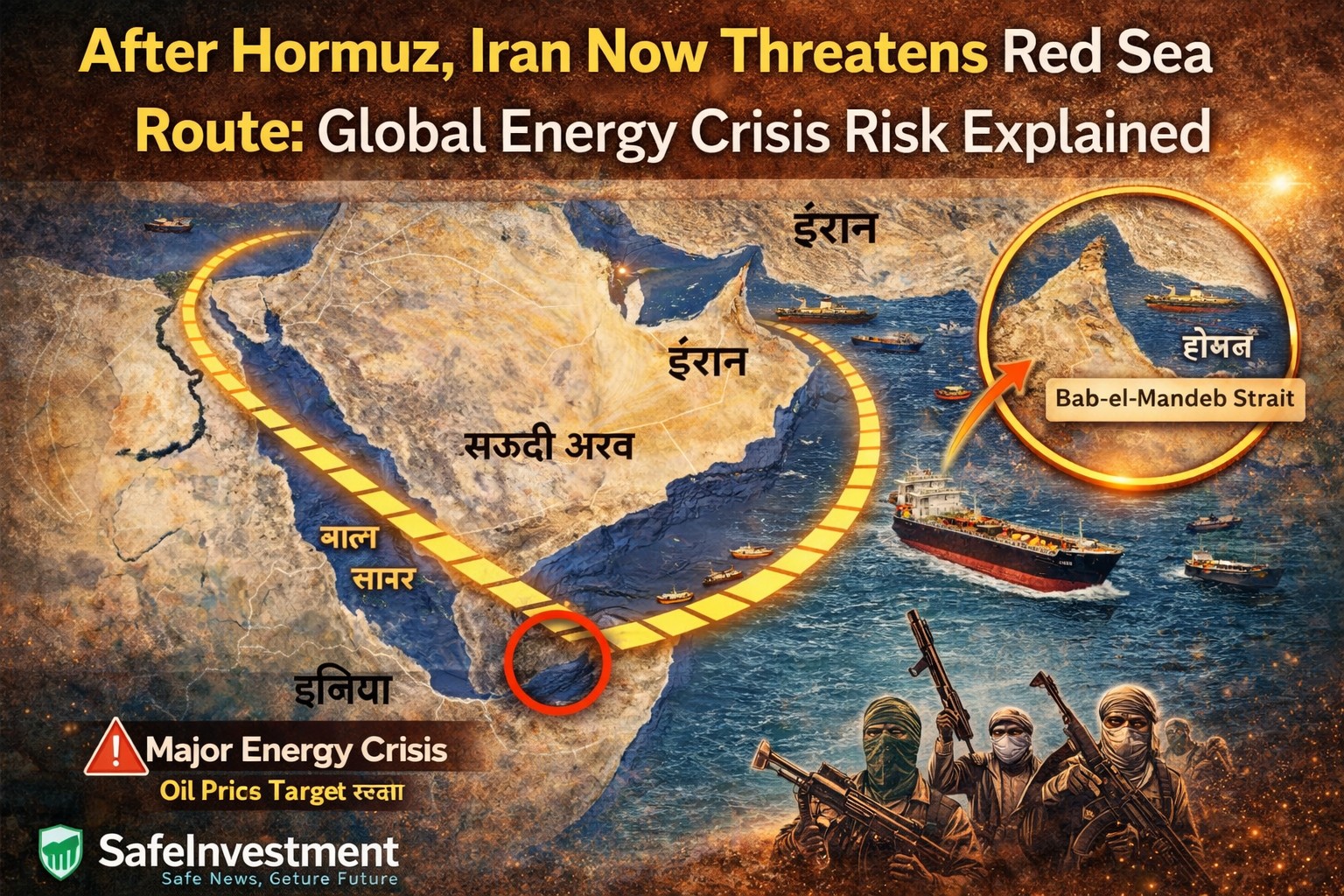
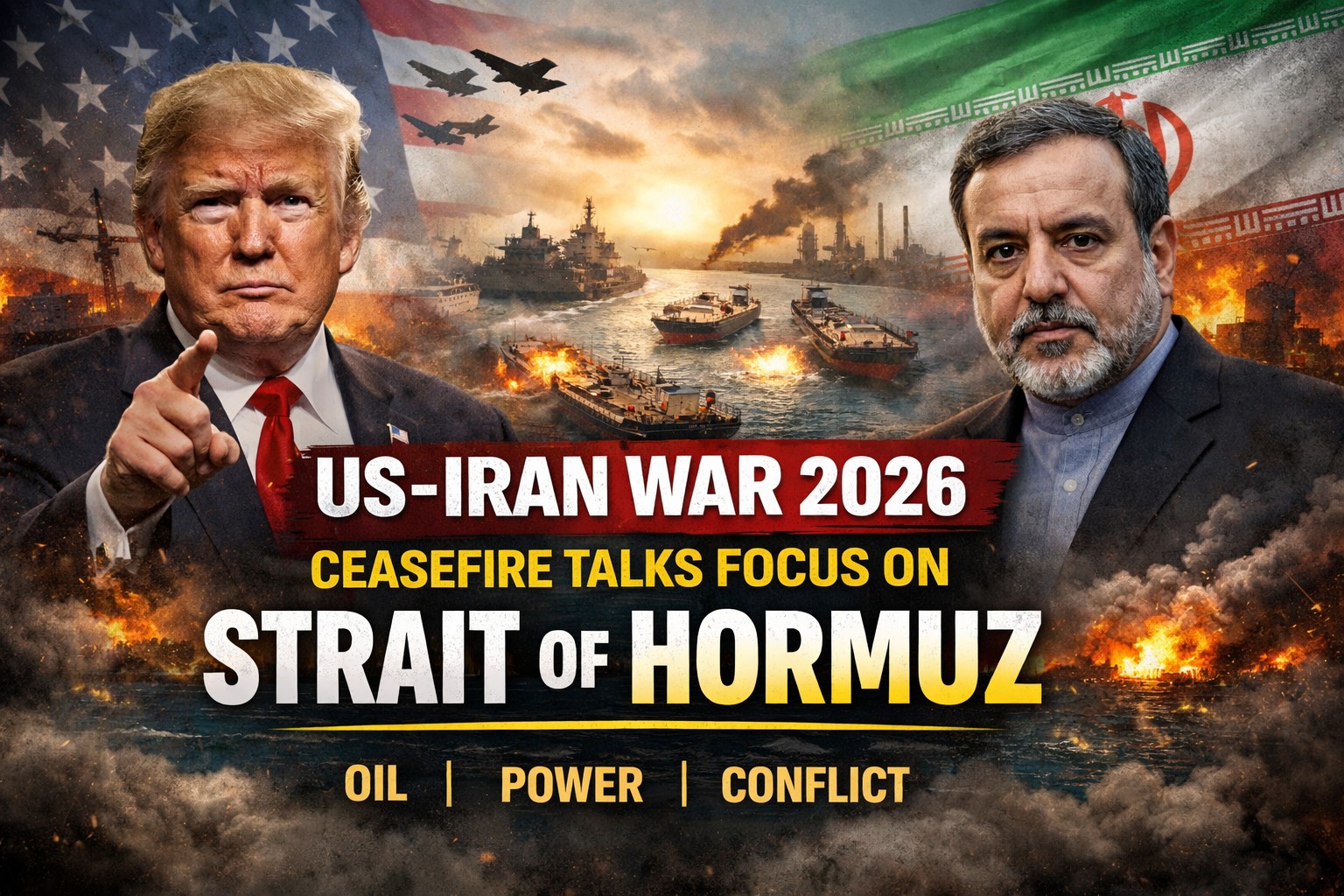
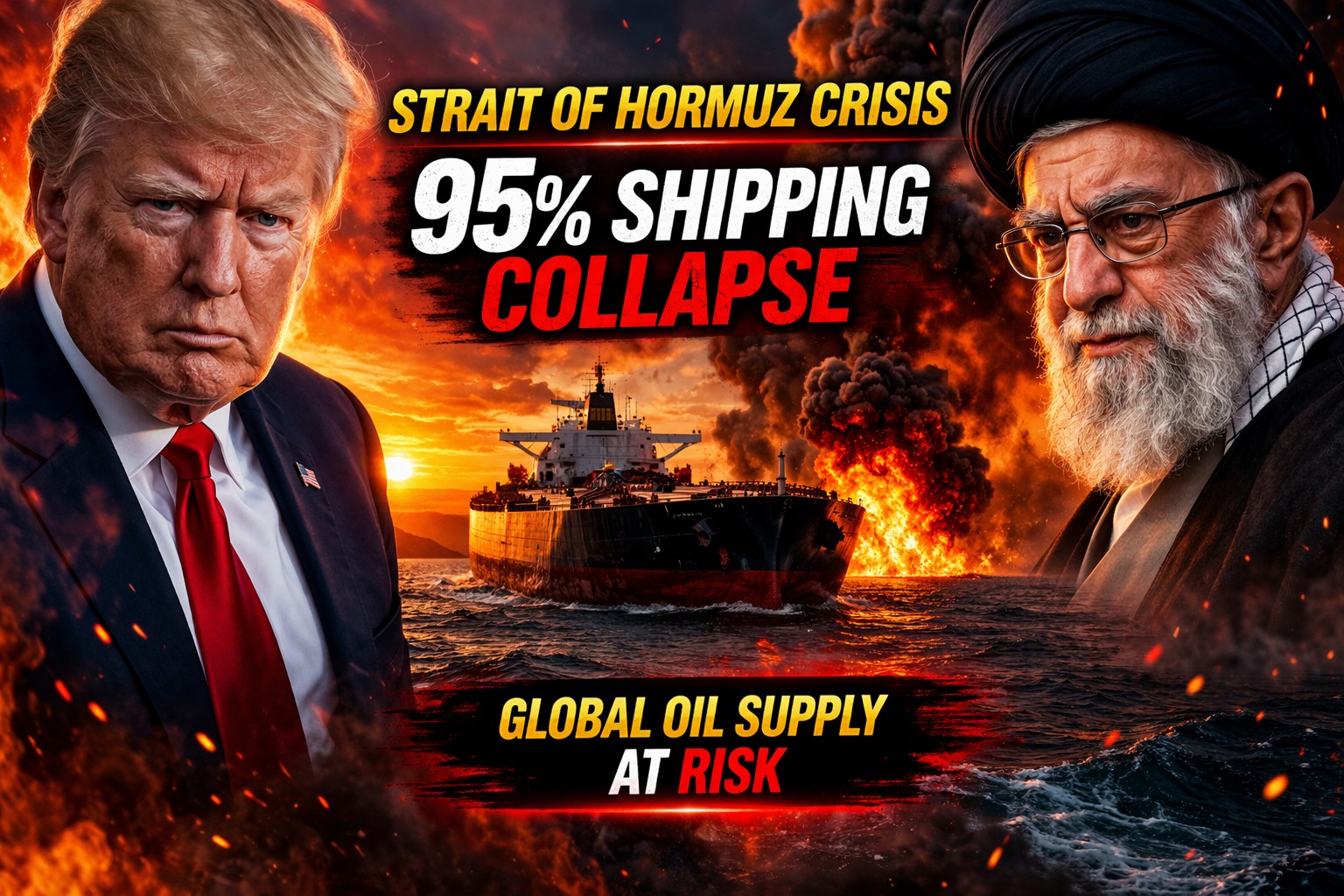
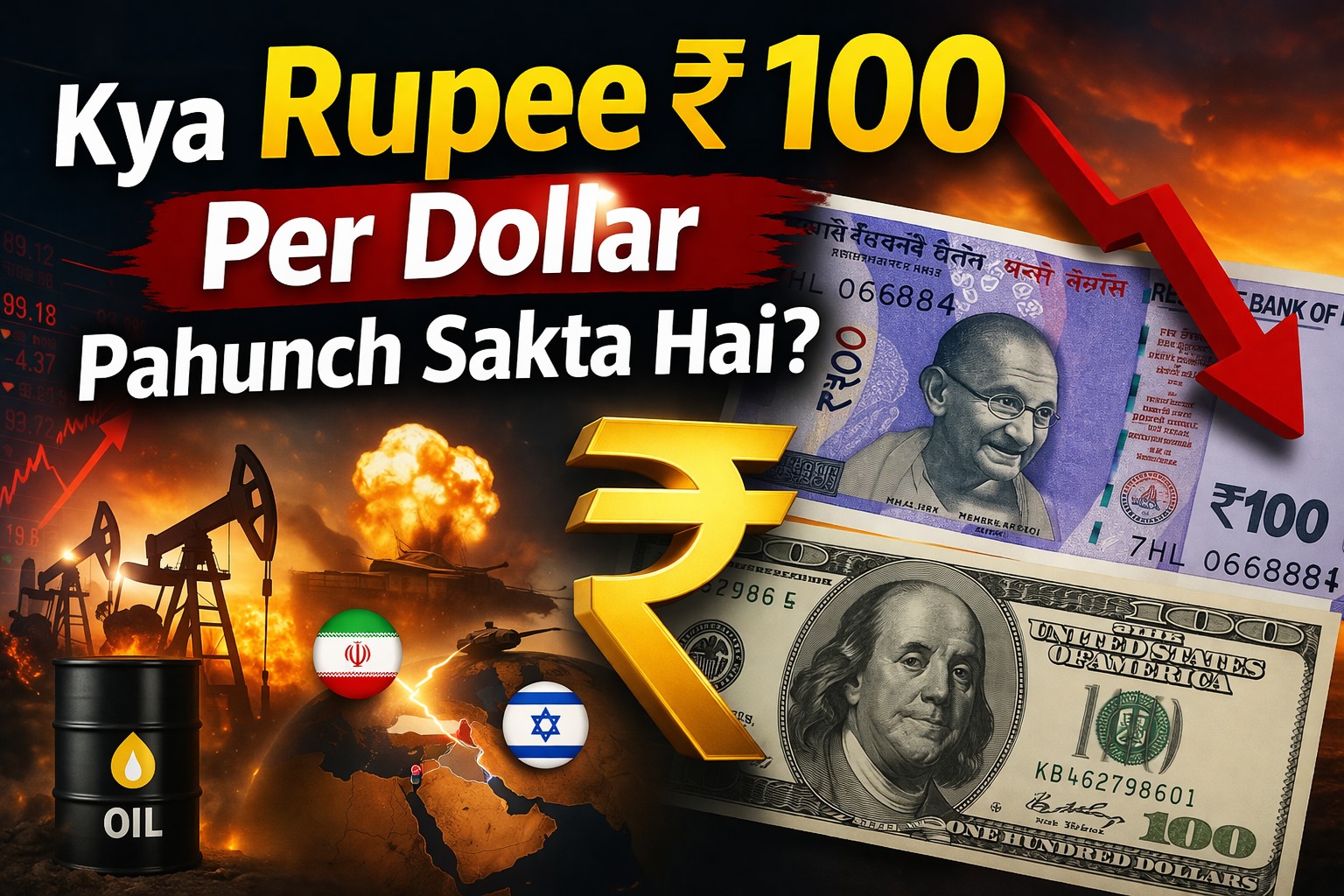
The Middle East conflict is no longer just a regional issue—it is rapidly turning into a global economic threat. After disrupting the Strait of Hormuz, Iran has now issued a serious warning: it could also target the Bab-el-Mandeb Strait in the Red Sea.
If this happens, the world could face a major energy crisis, rising oil prices, and global inflation.
At Safe Investment, we believe this is not just geopolitical news—it directly impacts India, global trade, and your investments.
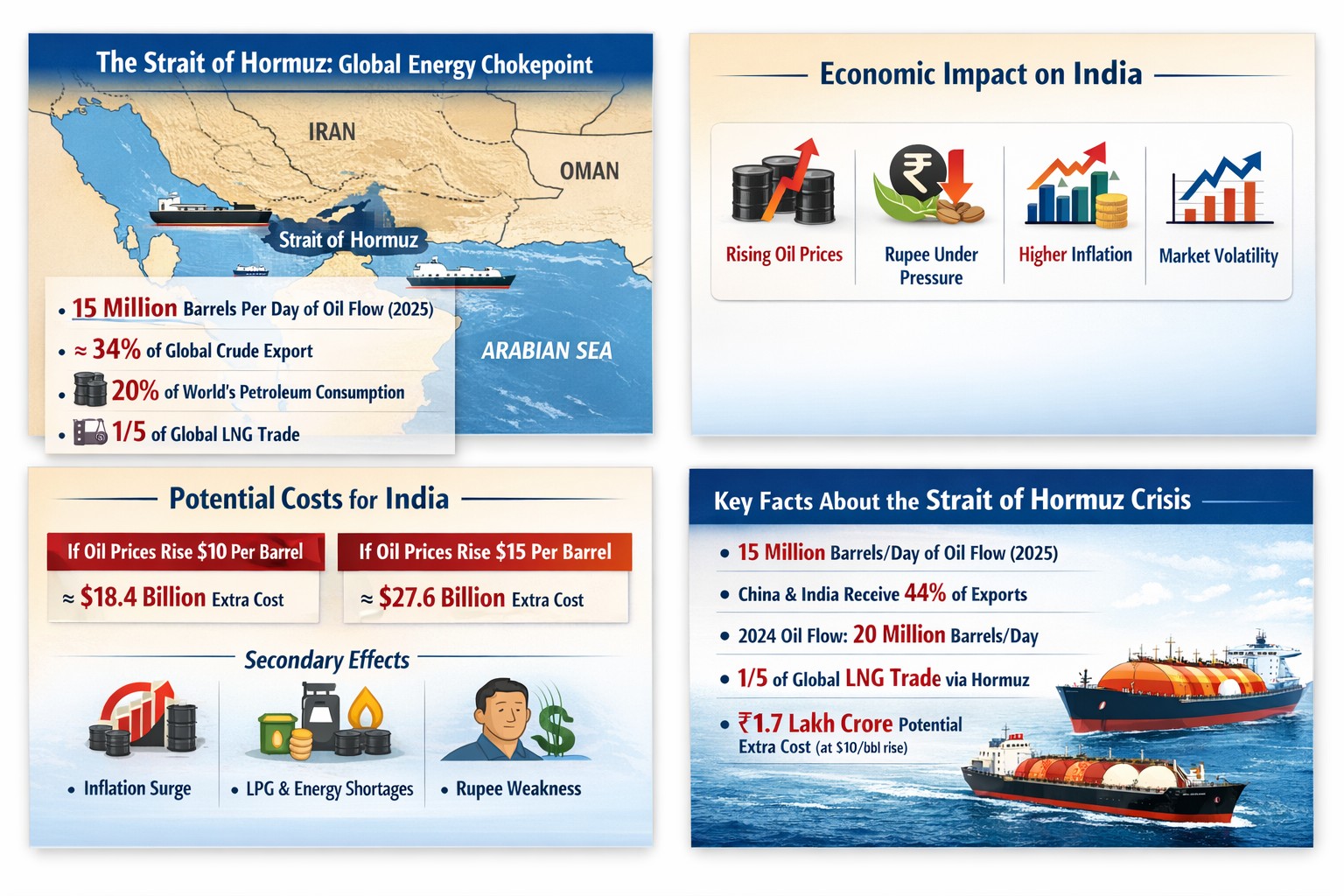
Iran has already tightened its stance on the Strait of Hormuz, a route through which:
Now, Iran is signaling a possible disruption of the Bab-el-Mandeb Strait, which:
If both routes are disrupted, almost 30% of global energy supply could be affected
The Bab-el-Mandeb Strait is one of the world’s most critical shipping routes.
If blocked:
At Safe Investment, we highlight that such disruptions can directly lead to:
Iran has indicated that Yemen’s Houthi group (Ansarallah) could play a key role in controlling the Red Sea route.
This is a serious concern because:
According to Safe Investment analysis, if Houthis actively enter the conflict, the Red Sea could become a high-risk zone for global trade
The situation is becoming more intense:
At Safe Investment, we see this as a sign of prolonged geopolitical instability
This crisis is extremely important for India:
India imports a large portion of its oil through these routes.
Disruption means higher fuel prices in India
Increased shipping costs lead to:
Expensive imports and exports
Rising crude prices result in:
Higher daily expenses
As per Safe Investment insights, this could put pressure on both household budgets and business costs
If both Hormuz + Bab-el-Mandeb are disrupted:
Safe Investment view: This scenario could trigger a global economic shock
At Safe Investment, we believe this situation creates both risk and opportunity:
Safe Investment Strategy:
The Middle East conflict is entering a dangerous phase.
With Iran threatening both Hormuz and Red Sea routes, the world is facing a potential energy and trade crisis.
At Safe Investment, our goal is to help you understand such global events and make smarter financial decisions.
Safe Investment provides educational financial content only. This article is not financial advice. Investors should conduct their own research or consult a qualified financial advisor before making investment decisions.
Your email address will not be published. Required fields are marked *