By Safe Investment July 31, 2025
US President Donald Trump has imposed a 25% tariff on goods exported from India to the US and a penalty for buying oil from Russia. Trump's announcement regarding tariff will come into effect from August 1st. After this announcement by the US President, India's exports are going to be greatly affected. PIB has stated on behalf of the Indian Government on this action of Trump. The government has said that the effects of this step of America are being studied and every necessary step will be taken so that national interests are protected.
Both countries are expected to reach a trade agreement quickly
Market experts have given mixed reactions to this. They say that if the weakness in the Indian rupee continues, it can reduce its impact by improving the price competitiveness of Indian goods globally. At the same time, both countries are expected to start discussions for a bilateral trade agreement quickly. These talks can end in September and October, which is likely to benefit India in the long term.
GDP expected to fall by 20 to 30 basis points
According to Morgan Stanley, India's goods exports to the US overall are 2.2 percent of GDP. This means that the direct impact of tariff-related developments will be serious. Also, there is a need to keep an eye on the developments in the next round of talks.
Angel One economists estimate that if the tariff continues until the trade talks end in September or October, the GDP of FY 2026 may fall by 20 basis points. We believe that this tariff is expected to remain in place for a short time, as both countries can complete the trade agreement soon.
According to Dam Capital, if most of the adverse effects occur, the worst case scenario would be that GDP growth would fall by 30 basis points.
Exporters fear order cancellations
Narendra Singh, manager of Smallcase and founder of GrowthInvesting, says that India sends goods worth billions of dollars to the US. Now it is facing a huge drop in competitiveness due to the sudden arrival. For exporters like Surat and Gujarat, this announcement means that their orders may be cancelled. Also, there is a possibility of pressure on margins and increased job uncertainty. He says that companies associated with Apple's manufacturing supply chain may also feel its effect. Not soon, but they will be affected due to weak demand and changes in US sourcing strategies. The good thing is that pharma and energy exports seem safe for the time being, which has provided some relief.
Market turns cautious
Overall, this announcement has come at a time when India was building strong export momentum. This may not only impact the near-term earnings and investment plans of mid-cap exporters but also raise new questions on our long-term business strategy. The market reaction has already been cautious and unless there is a policy response, its impact will be seen in the coming quarters.
US is one of India's major trading partners
Vineet Bolinkar, Head of Research, Ventura, says that the US, India's largest trading partner, contributed to merchandise exports worth USD 75 billion (excluding pharma) in 2024. Export competitiveness is challenging, but India can maintain its share against China and Vietnam, which have high tariffs of 54 and 46 percent respectively. Pharma is exempted, although the extensive restrictions associated with CAATSA increase uncertainty. To protect its trade and economic stability, India will have to accelerate export diversification and trade talks with other countries.
Indian economy has seen such troubles before
Washington's sweeping 25 per cent tariff is dramatic, but Indian trade has been hit hard before, says Karthik Jongdala, Smallcase manager and founder of Quantus Research. The US imposed Glenn Amendment sanctions after the Pokhran 2 nuclear tests in 1998, yet India's exports to the US grew from about USD 7 billion in 1998 to more than USD 21 billion by 2008, while GDP growth was 7 per cent over that decade.
Trade talks likely to soften stance
He said that the currently imposed tariffs could hurt high-value gems, generic claims and apparel sectors, but macro drag still shows a limitation of 40 to 50 basis points of GDP in FY 2026. It is worth noting here that the White House has not released the HS code index rate of how much the additional penalty related to Russian oil will be. This indicates that the trade talks are still pending and after their completion, the stance will soften.
India will handle itself
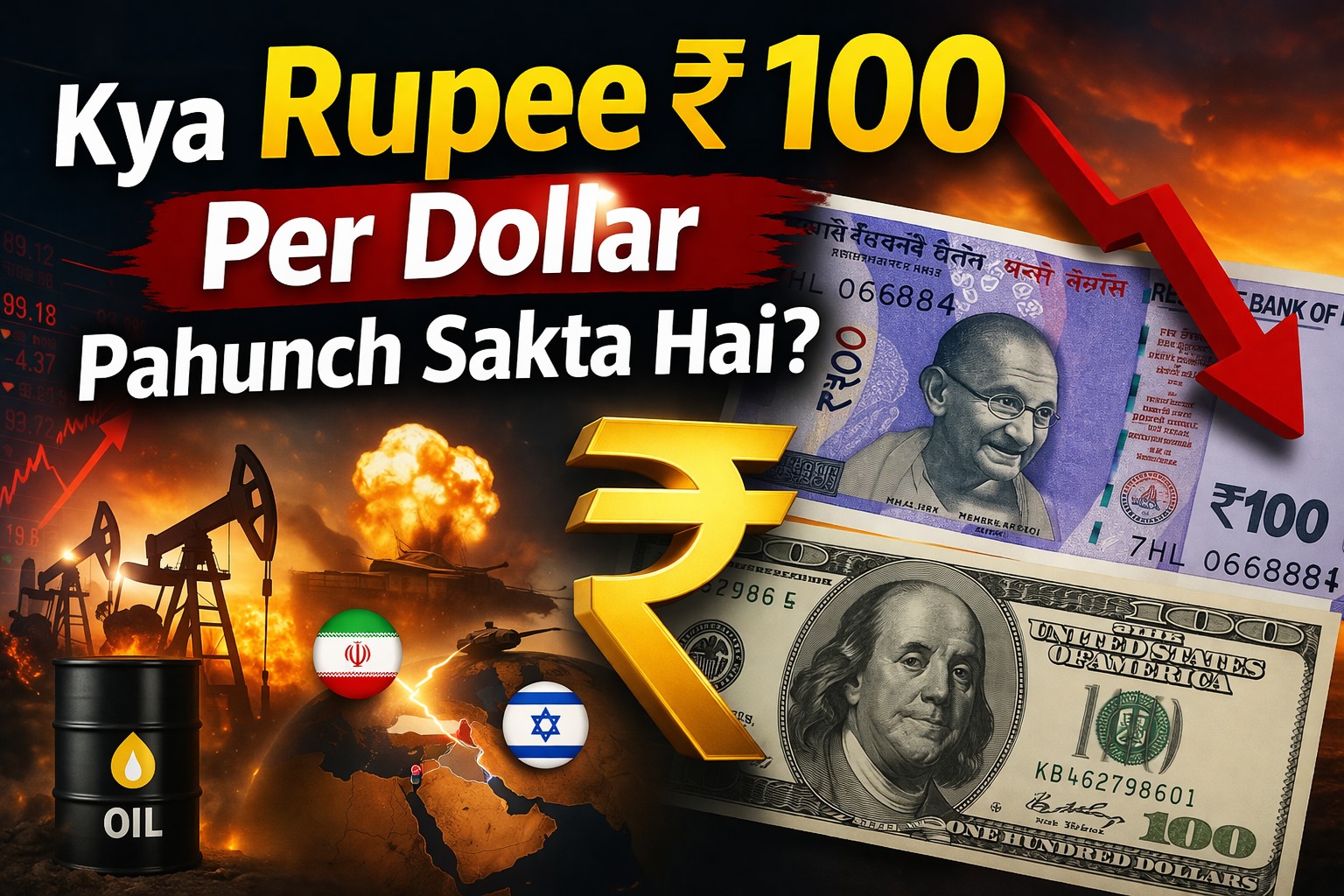
Kartik says volatility will remain in the near future, increase in equity risk premium, rupee may fall to 87, but domestic liquidity remains (Rs 29,000 crore monthly SIP flow) and policy buffer is sufficient. The Indian government can accelerate PLI incentives, increase duty refunds for SMEs and expedite deals with EU and Gulf countries to give relief to exporters. Overall, this is a speed bump, not a U-turn.
India's economic resilience is its strength
GolFi founder Robin Arya says that India's real strength is its economic resilience, a large, diverse domestic economy and strong infrastructure provide a solid foundation in times of global uncertainty. Even though the US has announced a 25 percent tariff, the market has already anticipated it and assessed the potential impact, which has limited the downside risk. Although some sectors may face short-term pressure
Your email address will not be published. Required fields are marked *