By Safe Investment August 30, 2025
Customers said- Why should we pay money to the hospital even after paying the premium
Cashless Treatment: The dispute between private hospitals and insurance companies regarding cashless treatment has been resolved. However, customers are still afraid.
Imagine, a person faces an emergency and has to be admitted to the hospital. He/she has health insurance from some company. On reaching the hospital, he/she is told to keep the health insurance with him and deposit the money in the hospital. Only then will he be treated. Or else the entire hospital bill will have to be paid by the patient or his family. The patient can later get the amount of the bill reimbursed from his health insurance company. Reimbursement means the amount spent on treatment can be taken back from the insurance company.
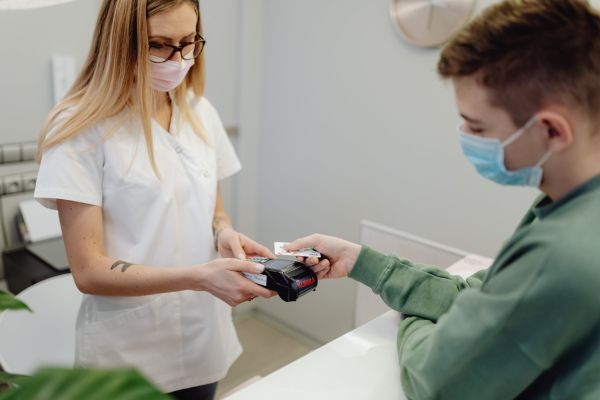
Now in such a situation, will it be possible for every person to deposit the amount of treatment in the beginning? Health insurance is taken so that one can get treatment even in the biggest hospital without money. This is cashless treatment. The insurance company bears the cost of treatment and pays the bill to the hospital. After this the patient goes to his home. Now there was a dispute between private hospitals and insurance companies regarding this cashless treatment. However, now the matter has been resolved. But the policy holders are still worried. They still fear that hospitals may demand advance payment for treatment and then ask the insurance company to reimburse the amount spent on the treatment.
First know what is the matter?
A 'common empanelment' was proposed to simplify the process of cashless treatment. Insurance companies believe that this will simplify the processes, people will get access to more hospitals and will also help in keeping the premium low. However, many private hospitals did not like this proposal and called it one-sided.
The Federation of Private Hospitals and Nursing Homes Association of India (FPHNAI) says that the package rates, rules related to operations and payment terms are unrealistic and are tilted in favor of insurance companies. Hospitals say that despite rising medical inflation, the rates of treatment have not been updated for years. Due to this, they have to cut down on expenses, which may affect the quality of treatment.
Small hospitals benefit but...
Small hospitals do not have much problem with the Common Empanelment System. Small hospitals see benefits in joining it. This will increase their reach. But big private hospital chains are cautious about standardized pricing, because their operational costs are high. They also complain about delays in reimbursement and frequent disputes over claim rejection.
Cashless treatment was banned
The matter had escalated so much that the Association of Healthcare Providers-India (AHPI) had directed Bajaj Allianz General Insurance to stop cashless treatment from September 1, 2025. AHPI has more than 20,000 hospitals in its network. AHPI also sent a notice to Care Health Insurance. AHPI had said that if Care Health Insurance does not respond, it will stop cashless treatment for its policyholders as well.
Why did the controversy over cashless treatment increase?
AHPI Director General Dr. Girdhar Gyani said that medical expenses in India are increasing by 7 to 8% every year. The reason for this is the high cost of staff salaries, medicines and other essential items. Hospitals are trying to reduce expenses from their side, but according to insurance companies, it is difficult to work at the old rates. If we continue to work like this, patient care will be affected. AHPI had raised many issues related to health insurance companies, such as old rates, delay in payment, rejection of claims, arbitrary deductions and long pre-authorization and discharge process.
What decision did the hospitals take?
Amidst this controversy, private hospitals had said that they will not provide cashless treatment facility. For treatment, the patient will have to first pay from his pocket. Later, all the bills and necessary documents will have to be given to the insurance company. After checking the documents, the insurance company will return the amount spent to the patient's bank account. This process is called reimbursement. Usually this process is completed within 15 days. However, it is not necessary that the entire amount spent on treatment is returned.
Is the matter resolved now?
The cashless dispute is now resolved. AHPI has lifted the ban on cashless services of Bajaj Allianz General Insurance. A meeting was held between the top officials of AHPI and Bajaj Allianz on 28 August. After this this decision was taken. AHPI had earlier warned Bajaj Allianz that if their demands were not met, then cashless claim settlement would be stopped in all member hospitals in North India from 1 September 2025. AHPI said that Bajaj Allianz has agreed to their demand and has resumed cashless services in member hospitals.
AHPI said about Care Health Insurance that their cashless services are already running. AHPI had not stopped services for Care. Just asked for clarification from them, to which they have responded. AHPI said that they are looking into the company's clarification.
If the hospital is not cashless then...
If you have health insurance, it is not necessary that treatment in every private hospital will be cashless. Every insurance company has its own panel. It includes a list of these hospitals in which cashless treatment can be done. At the same time, there is a situation that the hospital where treatment is done does not have cashless facility. That means the amount of treatment has to be paid from one's own pocket. However, later that amount can be reimbursed from the health insurance company. For reimbursement, definitely take these documents from the hospital:
Original details of the patient's discharge summary
Original bill of expenses incurred in treatment. The bill should be with breakup i.e. what was the daily rent of the room, the daily fee of the doctor, the bill of medicines in which it is also written which medicines were given etc.
If any test has been done, then its report along with negative film (X-ray, ultrasound, MR etc.).
Original receipt of the amount deposited initially at the time of admission of the patient and the bill payment after discharge.
Also ask for the case papers and vital chart after the patient's admission. The vital chart is the one that is tied to the patient's bed during treatment. It contains the patient's moment-to-moment reports like blood pressure etc.
File within 15 days
For reimbursement, the claim should be filed within 7 to 15 days of discharge from the hospital. However, some companies also give 90 days. If there is a delay in this, there may be a problem in getting the claim. Talk to your health insurance company for more information related to reimbursement.
Your email address will not be published. Required fields are marked *