By Safe Investment July 21, 2025

Creating a personal debt management plan is like drawing a roadmap out of financial stress and into stability—and since you’re meticulous and strategic by nature, Mahesh, you’re already halfway there. Let’s build it step by step:
Step-by-Step Personal Debt Management Plan
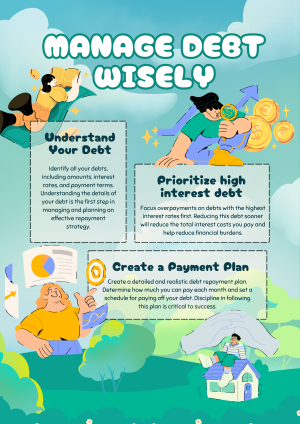
1. Assess Your Debt Situation
Start with a full inventory:
Use a spreadsheet or budgeting app—whatever helps you visualize it clearly.
2. Analyze Income vs. Expenses
This shows how much you can realistically allocate toward debt payments.
3. Prioritize Your Debts
Choose a repayment method that fits your style:
Pick based on whether you value momentum or savings more.
4. Create a Budget That Works
Make room for flexibility—life happens.
5. Consider Consolidation or Negotiation
This step requires communication and sometimes professional help from a credit counselor.
6. Track Progress Weekly or Monthly
Consistency beats intensity.
Optional but Powerful Tactics
Now Let’s design a realistic debt scenario that reflects common financial situations and lets us clearly see how avalanche vs. snowball methods perform.
Sample Debt Portfolio
|
Debt Type |
Balance (Rs) |
Annual Interest Rate |
Minimum Monthly Payment (?) |
|
Credit Card |
Rs 50,000 |
24% |
Rs 2,500 |
|
Personal Loan |
Rs 30,000 |
12% |
Rs 1,000 |
|
Electronics EMI |
Rs 10,000 |
18% |
Rs 800 |
|
Education Loan |
Rs 40,000 |
10% |
Rs 1,200 |
Total Debt: Rs 130,000
Repayment Budget: Rs 10,000/month
This setup gives us a nice mix of high-interest debt (credit card), moderate-interest loans (EMI and personal), and a relatively low-interest education loan — making it ideal to observe how each strategy works.
Would you like me to simulate both methods now and compare:
Your email address will not be published. Required fields are marked *